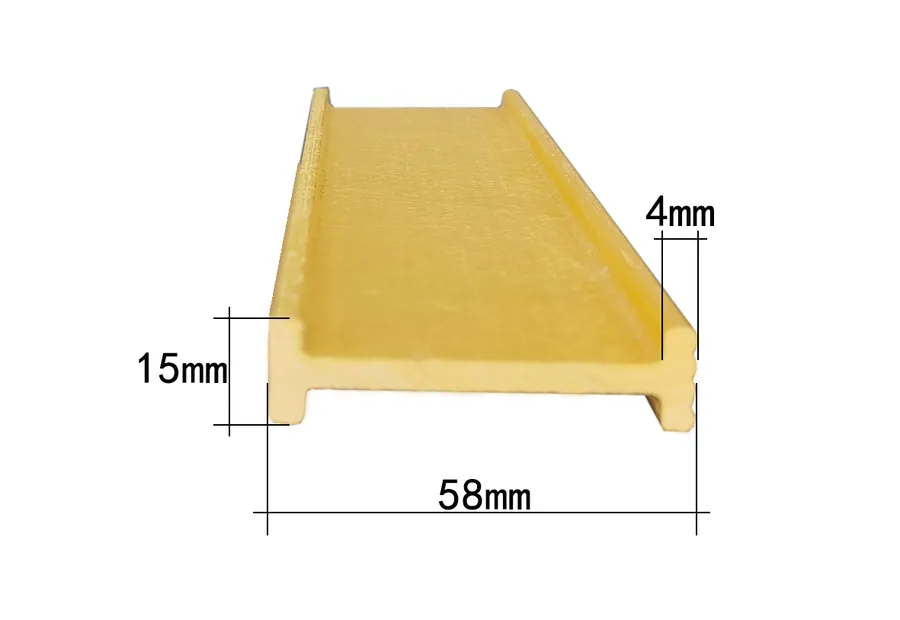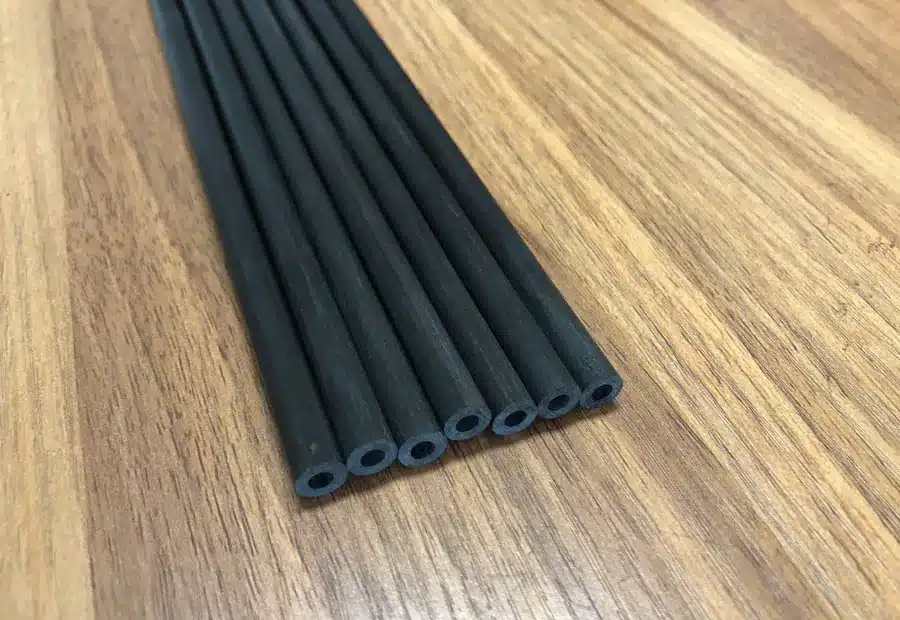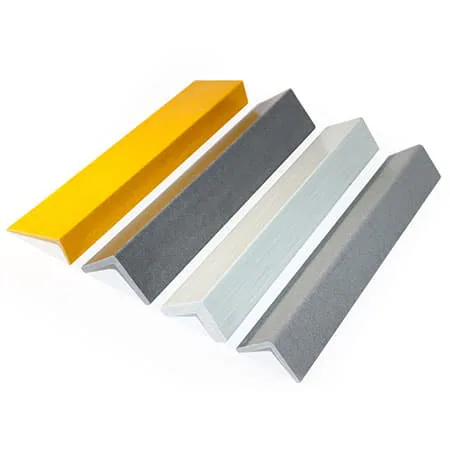
Grating, handrail profiles and structural shapes for wet process areas, clarifiers, maintenance platforms, stairs and equipment access—reviewed as one connected system. Use FRP engineering support when span, load, support or chemical inputs are not yet organized.
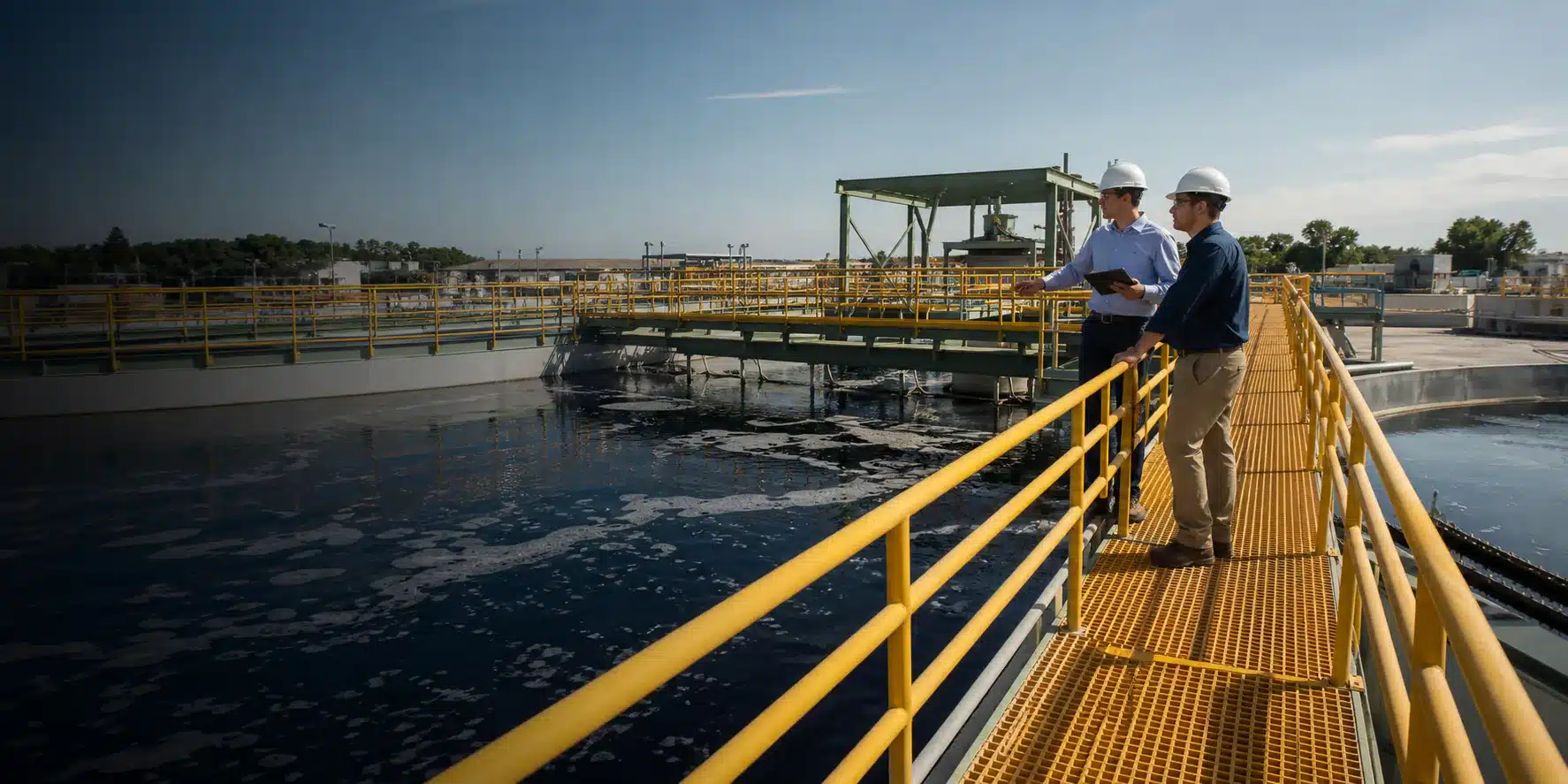
Water-treatment selection should connect the operating environment to the walking surface, supporting members, handrail, fasteners and maintenance route. Solving only the visible top surface leaves important project risks unanswered.
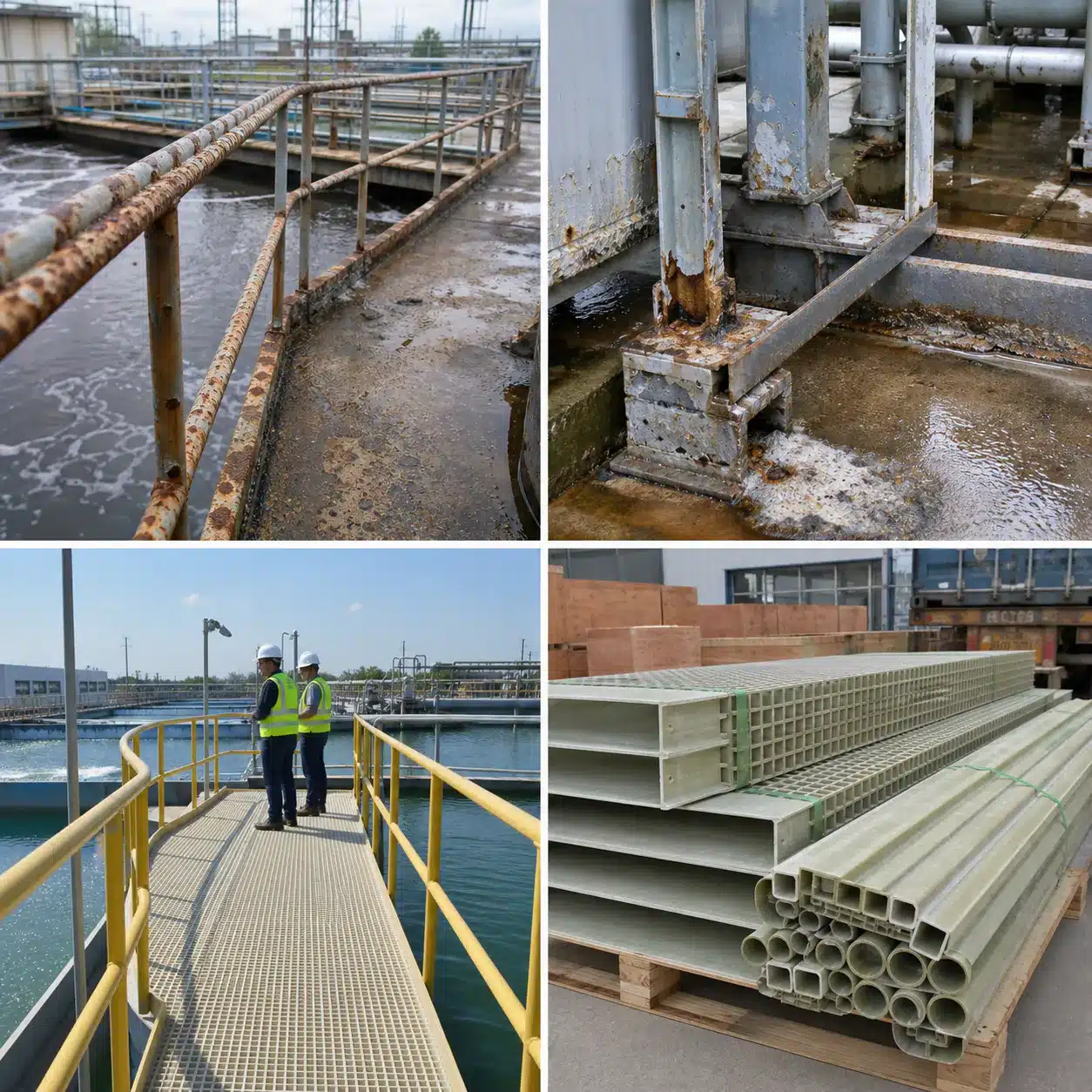
Tank perimeters, stairs and equipment zones can remain wet through normal operation and cleaning.
Chlorides, alkalis, acids and treatment vapours require a resin review based on real concentration and temperature.
A sound-looking panel does not compensate for weakened supports, connections, handrails or edge details.
Large steel panels and repeated coating work can complicate inspection, removal and access around equipment.
A practical access system connects walking surfaces, transitions, guardrails, supporting profiles and removable maintenance zones. Each interface changes the information needed for quotation and engineering review.
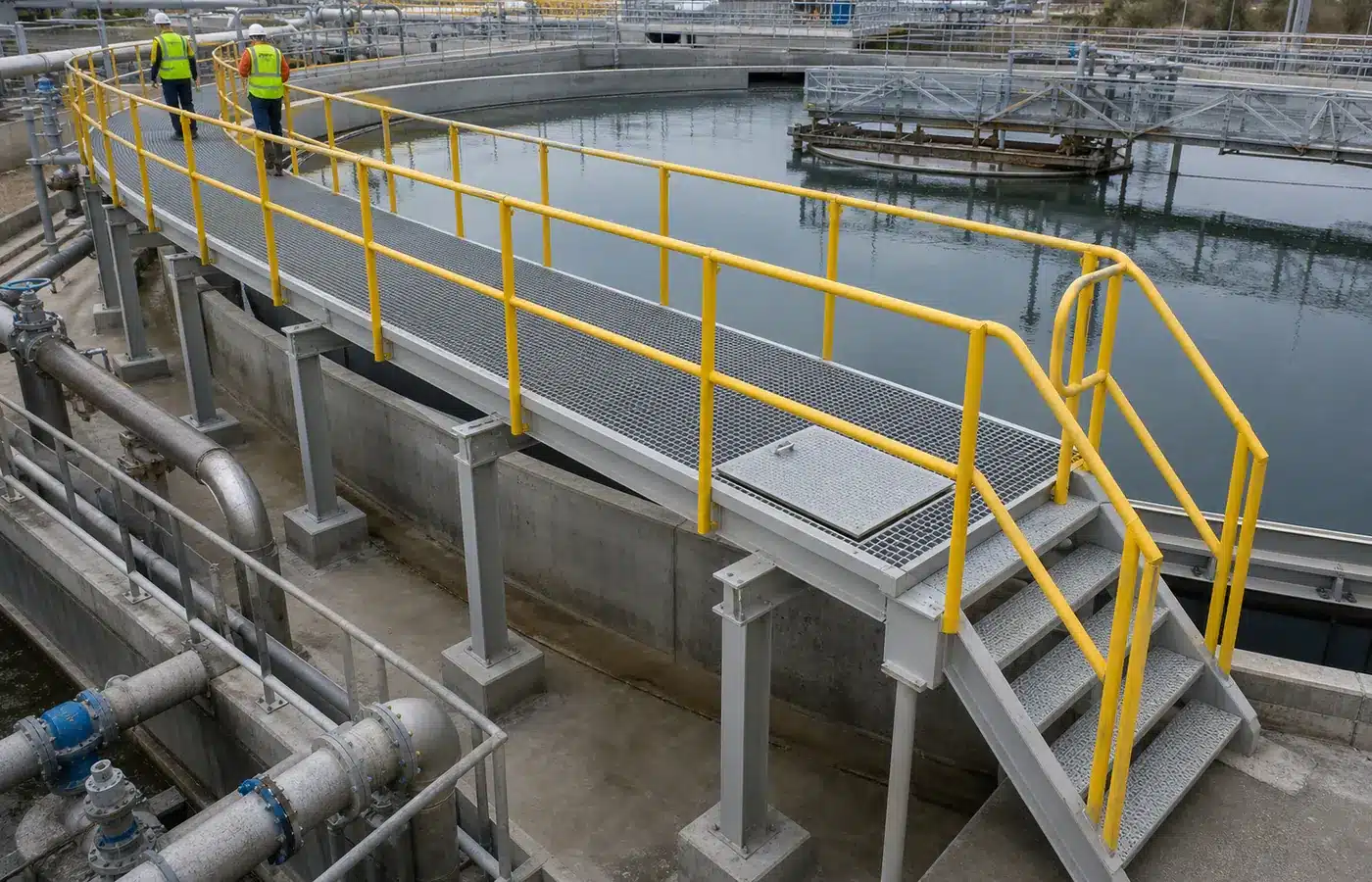
Start with the required access function, then coordinate the panel, supporting profiles, handrail geometry, cut-outs, fasteners and surrounding equipment.
“Water treatment” is not one exposure condition. Resin, grating, structural profiles and fabrication details should follow the actual chemical, temperature, load and site-interface information.
Standard or custom profile options, available geometry, resin/colour/surface requirements, basic cutting or drilling, cut list, identification and export packing.
Design loads, allowable deflection, spans, support and connection design, guardrail/stair requirements, fire or electrical requirements and final approval for the service environment.
Water-treatment projects often combine panels, long profiles and processed connection points. The order should be controlled against drawings, quantities, identification and packing sequence—not only by product name.
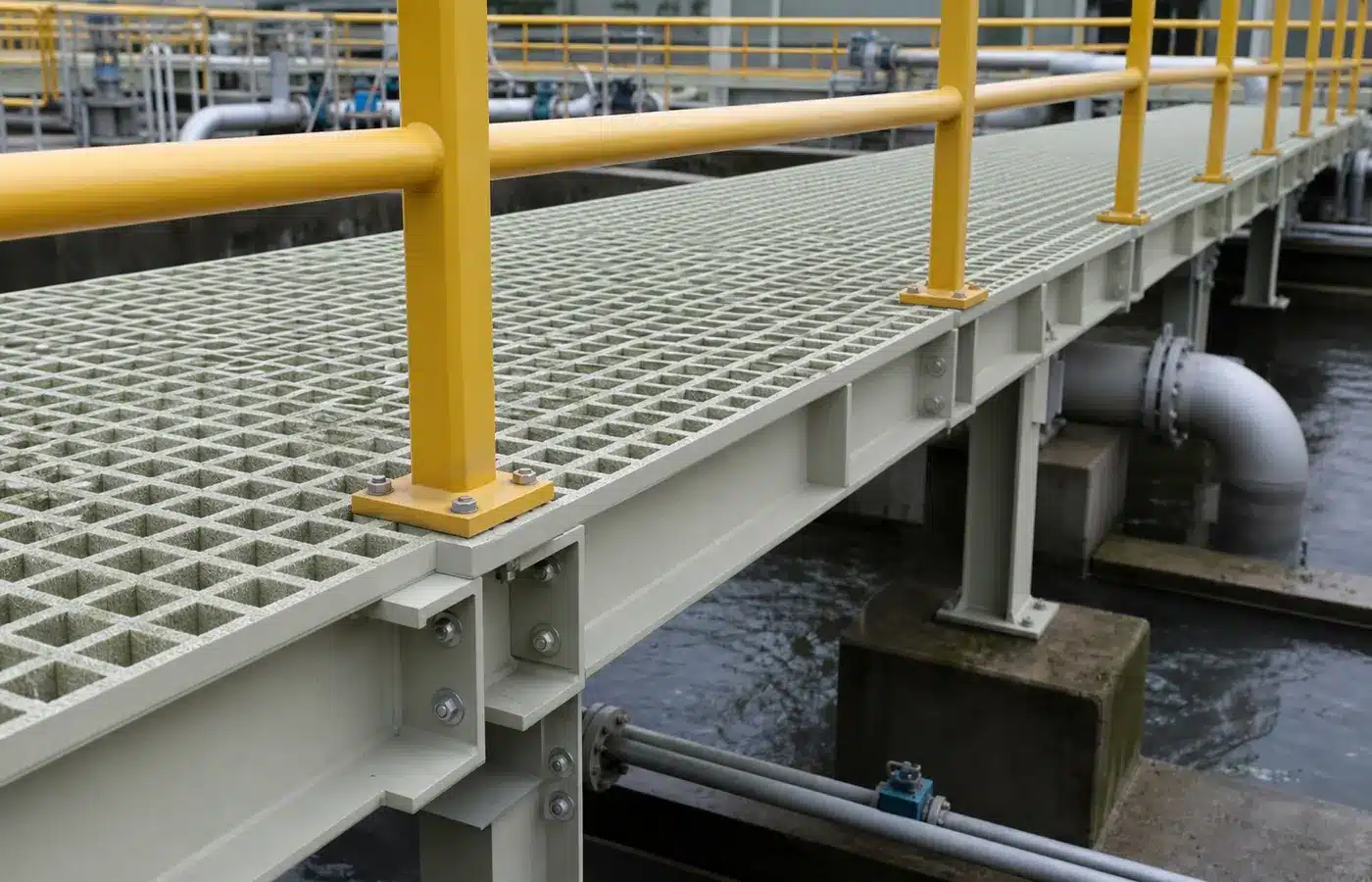
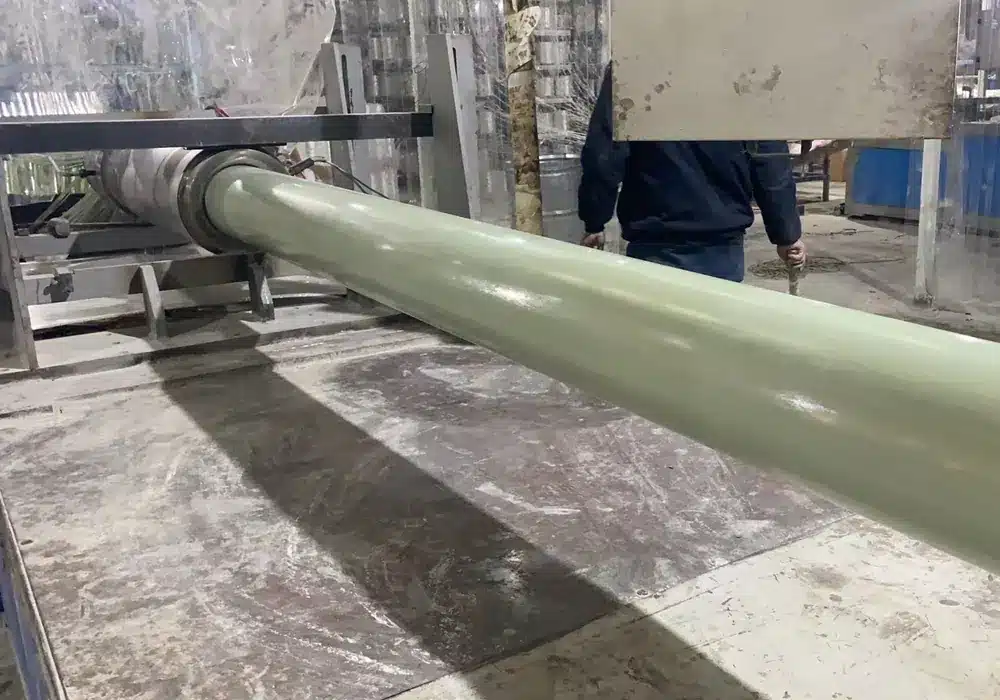
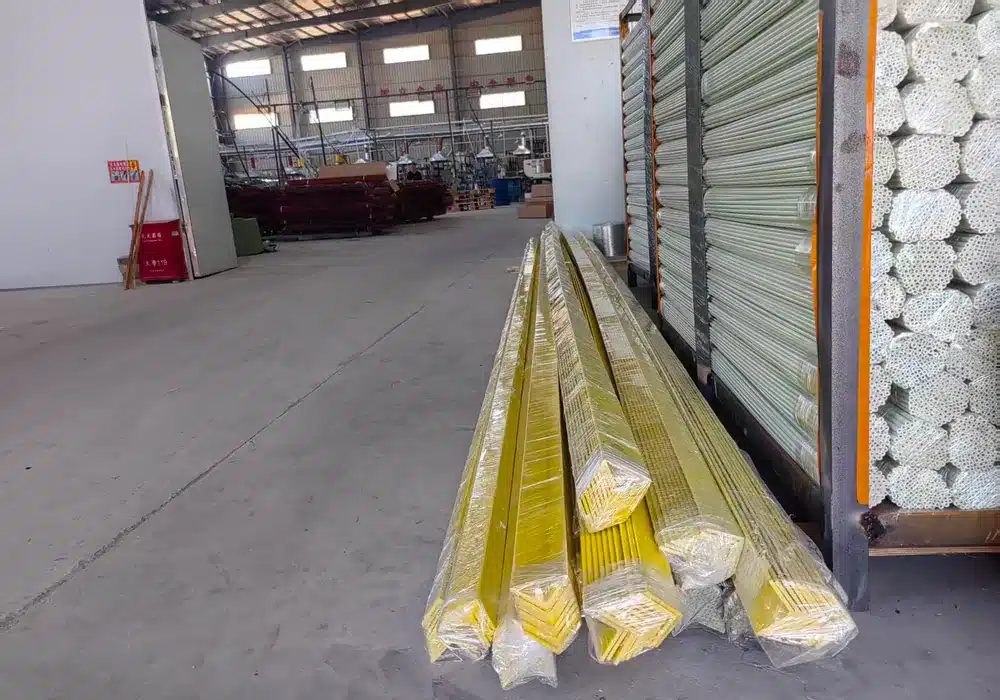
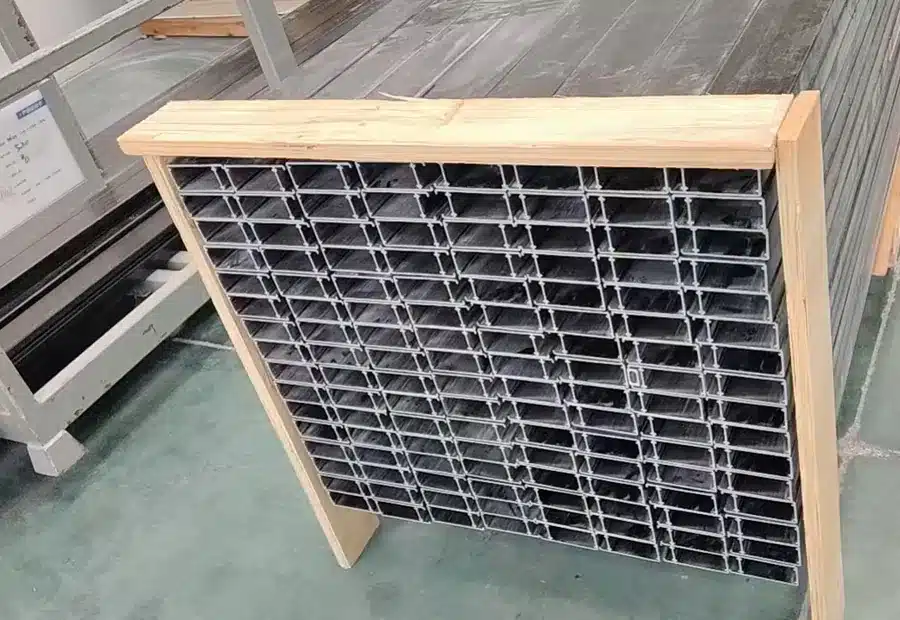
These are example information paths, not claims about named Haikuo projects. They show how a buyer can define the access system before comparing quotations.
Send the tank diameter or walkway layout, clear spans, existing support locations, guardrail requirement, chemical/vapour exposure and shutdown constraints. The quotation can then separate grating, support profiles, rail members and processing.
Share the chemical name and concentration, splash/cleaning pattern, platform size, intended load, stair or ladder interface, surface requirement and connection to the existing structure.
Confirm opening size, support ledge, required traffic or maintenance load, preferred panel weight, lifting method, cut-outs and whether sections must be individually identified.
No. Panel type, bearing direction, clear span, support spacing, intended load, allowable deflection, surface, opening size and environment all affect selection.
The answer depends on the named chemical or vapour, concentration, temperature and contact pattern. A generic “wastewater-resistant” statement is not enough for final approval.
Haikuo can review profile and fabrication feasibility and supply the agreed FRP components. Final structural design, site dimensions, code compliance and installation responsibility must be defined with the project engineer or system integrator.
Basic cutting, drilling, notching and panel preparation can be reviewed against drawings, tolerances, quantities and packing requirements.
Send the application layout or site photo, dimensions, chemical exposure, load and span information, required products, quantity, destination and any fabrication drawings.
Haikuo will help shortlist the relevant FRP grating and profile families, identify missing review inputs and prepare a quotation within 24 hours.