Factory-direct FRP pultrusion · Standard & custom profiles
Huizhou, Guangdong, China
Industries / Livestock & Fencing
Livestock & fencing · System-led selection

Pultruded FRP Profiles for Livestock Fencing & Farm Enclosures

Review the fence zone, loads, ground condition, animal contact and connection method before choosing posts or rails. Haikuo supplies standard and custom pultruded profiles—not a one-size-fits-all fence claim.

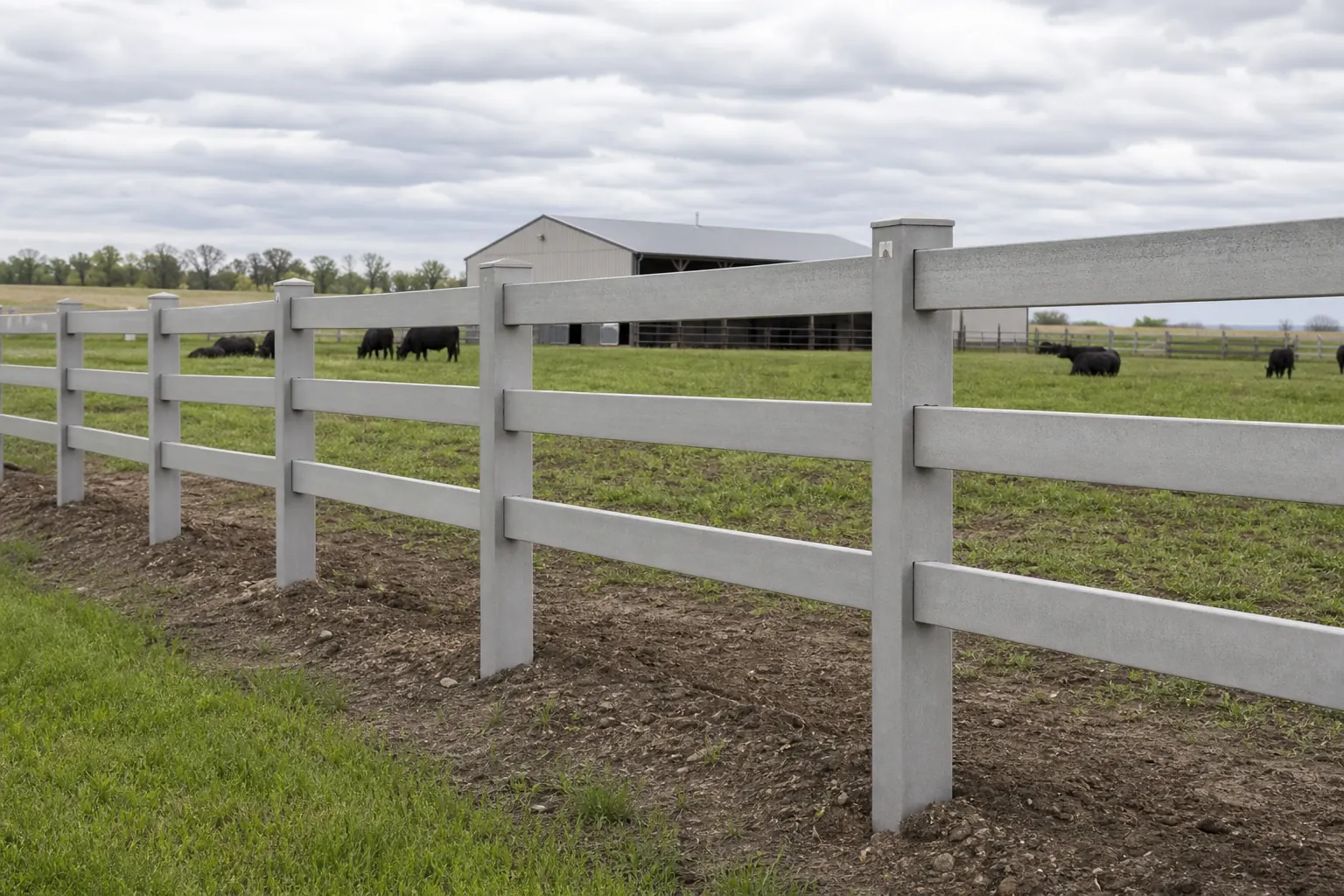
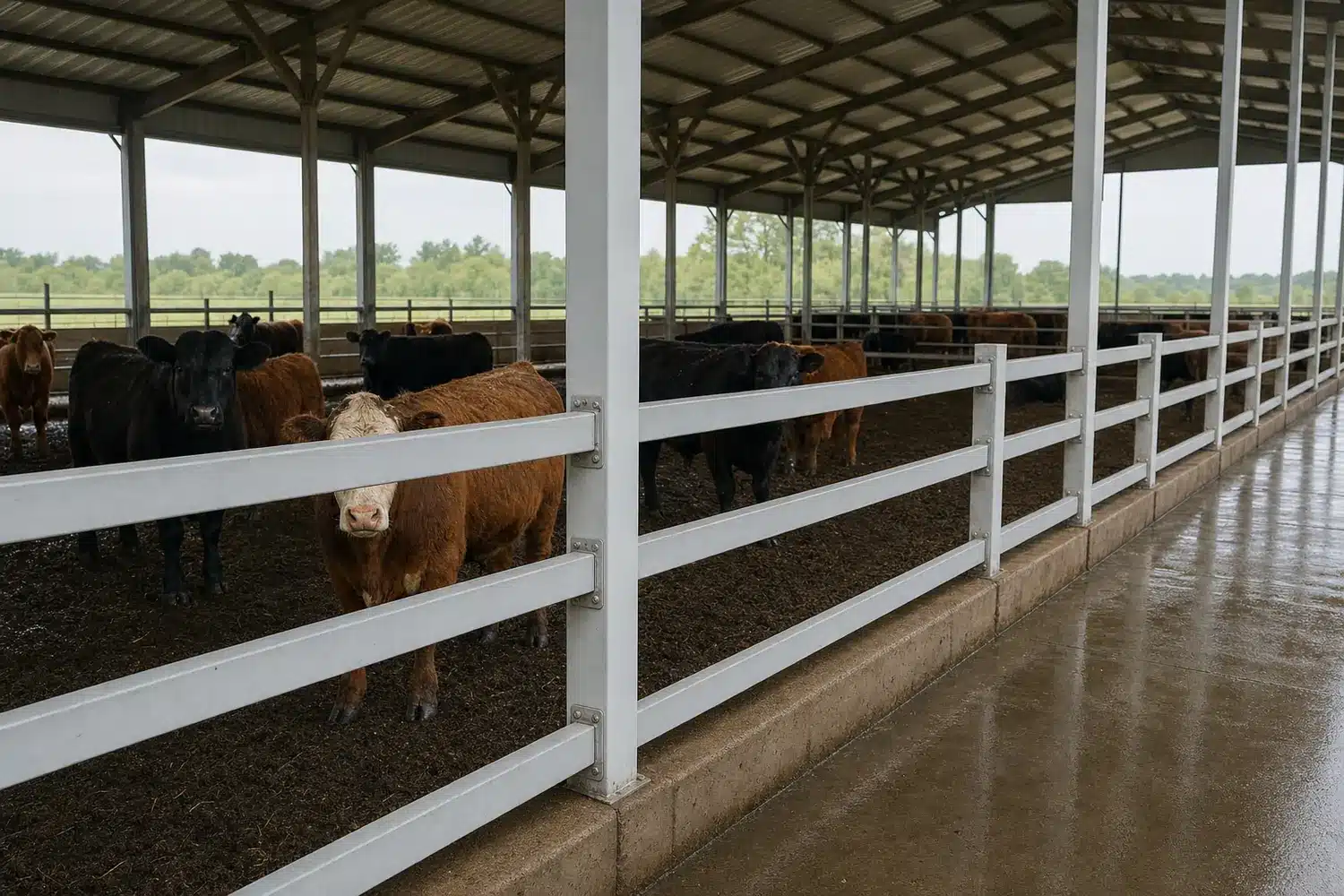
Representative FRP rail and post fence system for a cattle pasture
Representative application visualization · not a named Haikuo project
01Fence zonePerimeter, paddock, wet barn, gate, divider or electric strand support
02Primary loadWire tension, rail bending, animal contact, gate load or equipment impact
03EnvironmentSoil moisture, manure, washdown, UV, temperature and farm chemicals
04Supply formatSection, cut length, holes, accessories, bundles and destination
Fence failure map

Most failures begin at the ground, the corner or the connection.

FRP does not rot or rust like wood and steel, but that does not remove system design. Profile stiffness, post spacing, embedment, hardware and animal contact still determine whether a fence or divider performs responsibly.

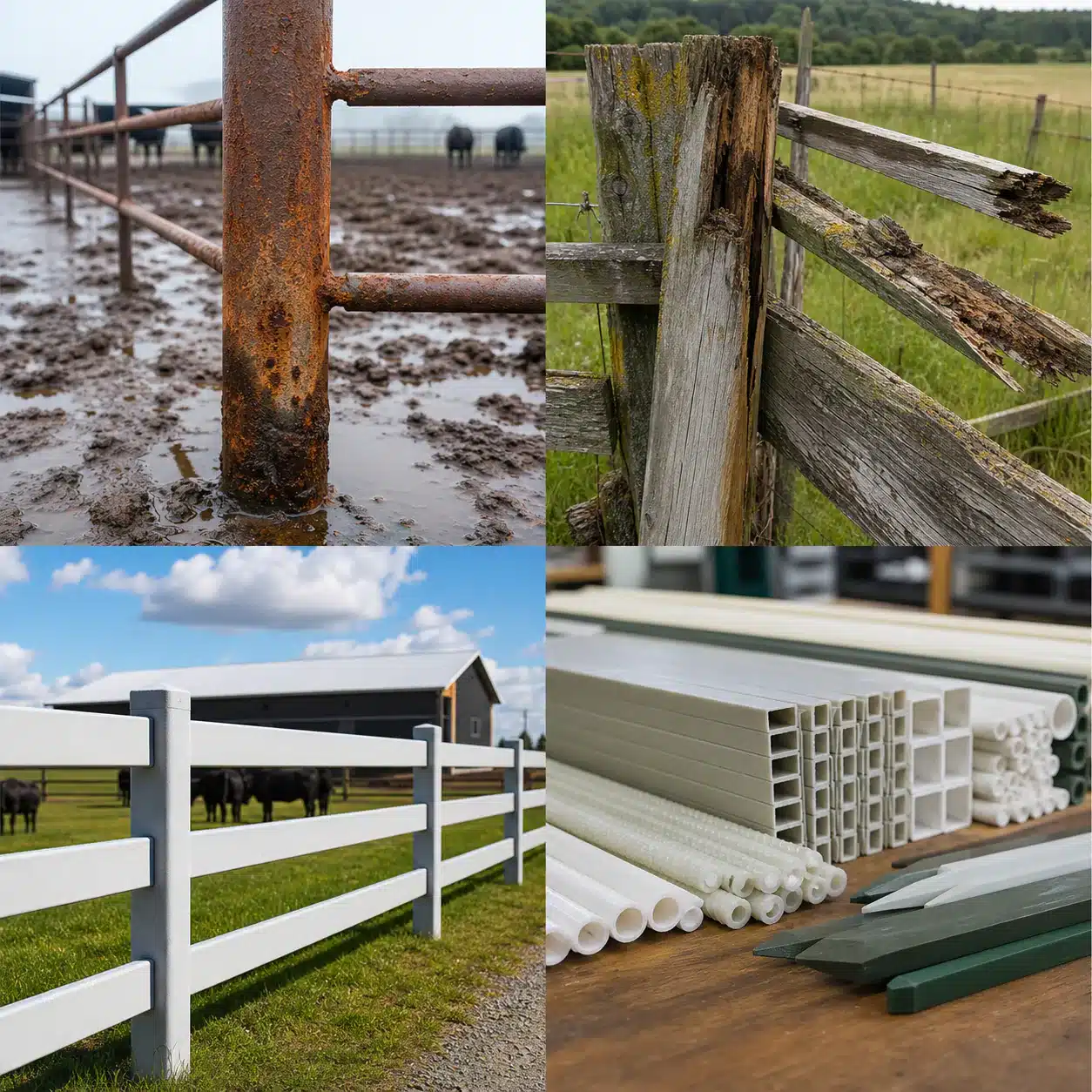
Representative livestock fencing material deterioration and FRP profile applications
Representative material-risk visualization
01
Ground-line deterioration

Soil moisture, fertilizer, manure and wet/dry cycling concentrate damage where posts meet the ground.

State soil, embedment and drainage conditions.
02
Animal and equipment impact

Rubbing, crowding, gates, loaders and cleaning equipment create loads that a simple material comparison misses.

Identify contact, impact and protected zones.
03
Long-run tension and alignment

Wire, mesh and rail systems transfer different forces to line, terminal and corner posts.

Separate line posts from high-load locations.
04
Connection-led failure

Drilled holes, clips, sharp edges and incompatible hardware can control service life and animal-facing safety.

Send the connection and accessory concept.
05
Outdoor exposure is assumed

Colour, surface veil, UV exposure, temperature and chemicals should be stated—not hidden behind “farm use.”

Define exposure and requested material properties.
Application routes

Choose the fence zone before choosing the profile.

A slender electric-fence post, a cattle-pen rail and a gate support solve different problems. Treating them as the same “fence post” creates the wrong quotation inputs.

Representative FRP livestock divider rails in a wet cattle barn
Representative barn-divider visualization
01Wet livestock buildings

Barn dividers & animal-area rails

Review rail height, openings, animal-facing edges, washdown, manure contact, floor fixing and vehicle routes.

Divider geometry · impact · cleaning exposure

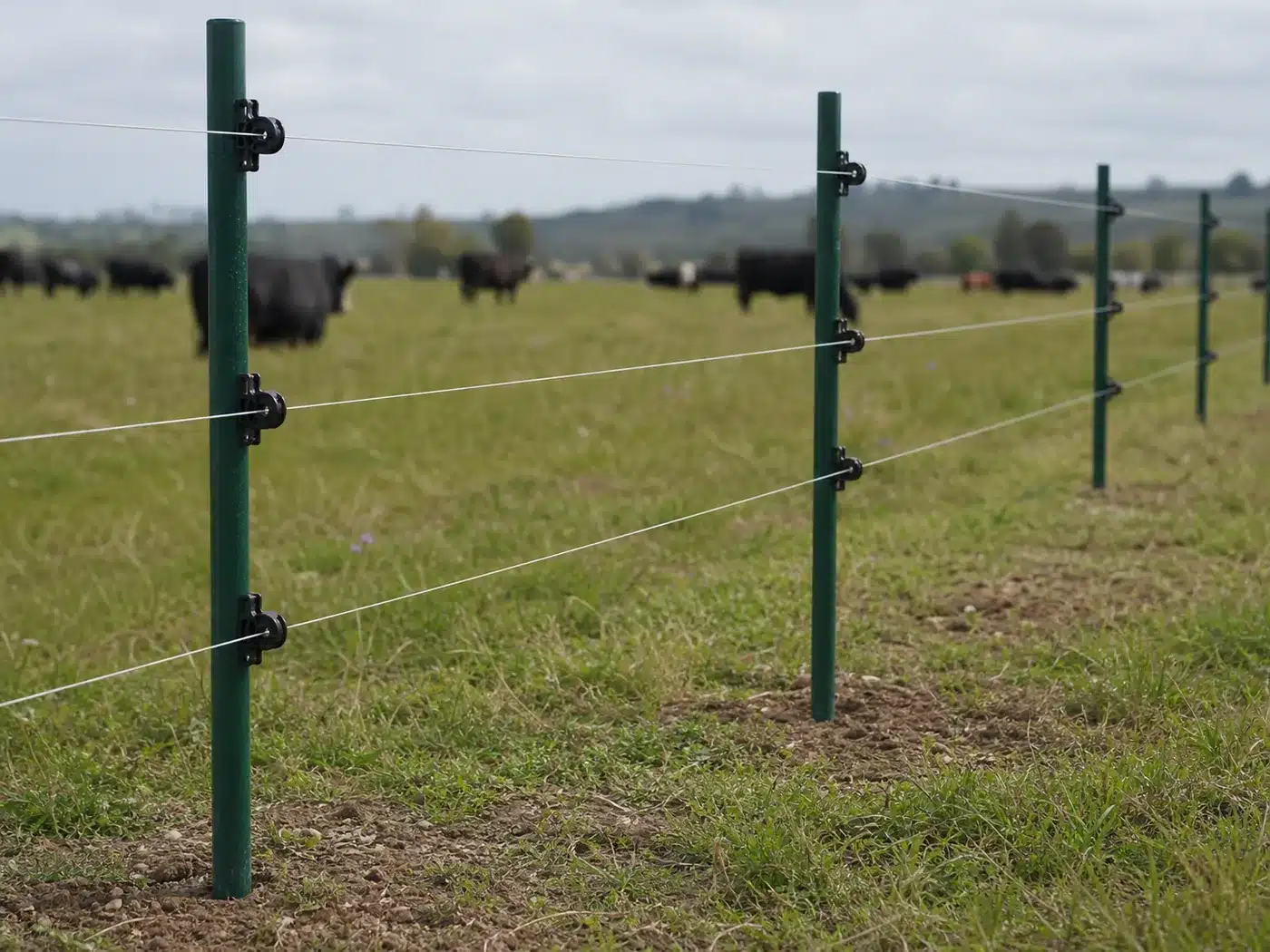
Representative FRP round posts with electric-fence insulators in a cattle pasture
Representative electric-fence visualization
02Rotational grazing

Electric-fence post supports

Non-metallic posts can be reviewed for electric-fence systems, but final voltage, insulators, wire spacing, energizer and local installation requirements remain a system decision.

Post flexibility · insulator · electrical validation
03Perimeter & paddock railsPosts and horizontal rails around grazing areas where weather, alignment, impact and repeat installation matter.Rail span · post spacing · terminal loads
04Gates & high-load openingsGate posts, hinges and latches introduce concentrated and cyclic loads beyond ordinary line-post duty.Hinge load · opening width · foundation
05Wet alleys & washdown zonesDividers and protective rails near manure, water and cleaning chemicals require material and hardware review.Washdown · chemical · drainage
06OEM farm equipmentCustom constant sections for repeat divider, feeding, ventilation or enclosure assemblies.Drawing · interface · trial approval
Profile architecture

Build the system from posts, rails and controlled interfaces.

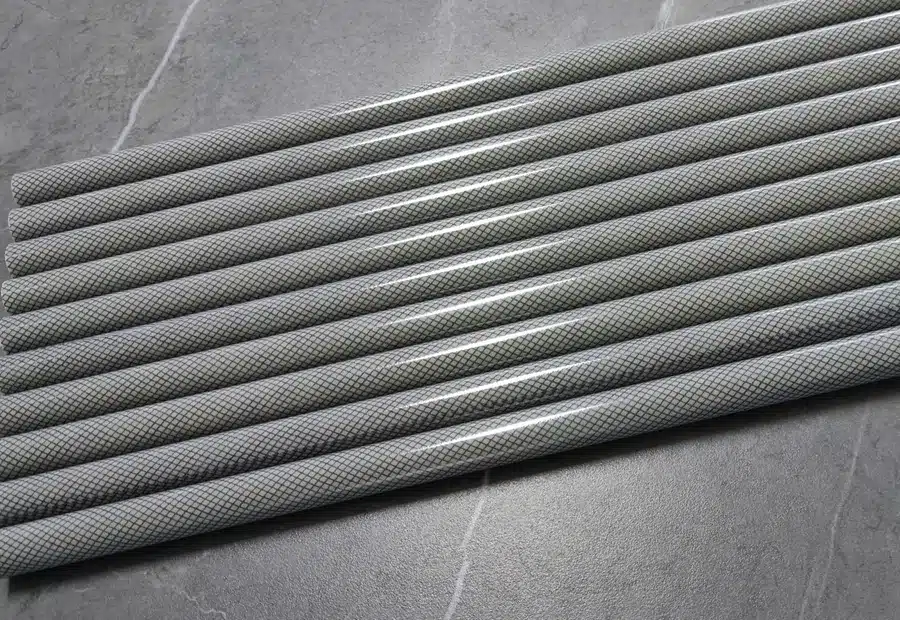
Start with existing rods, tubes and channels where possible. Use custom pultrusion when a repeat fence, gate or divider system needs a section that integrates location, protection or assembly features.
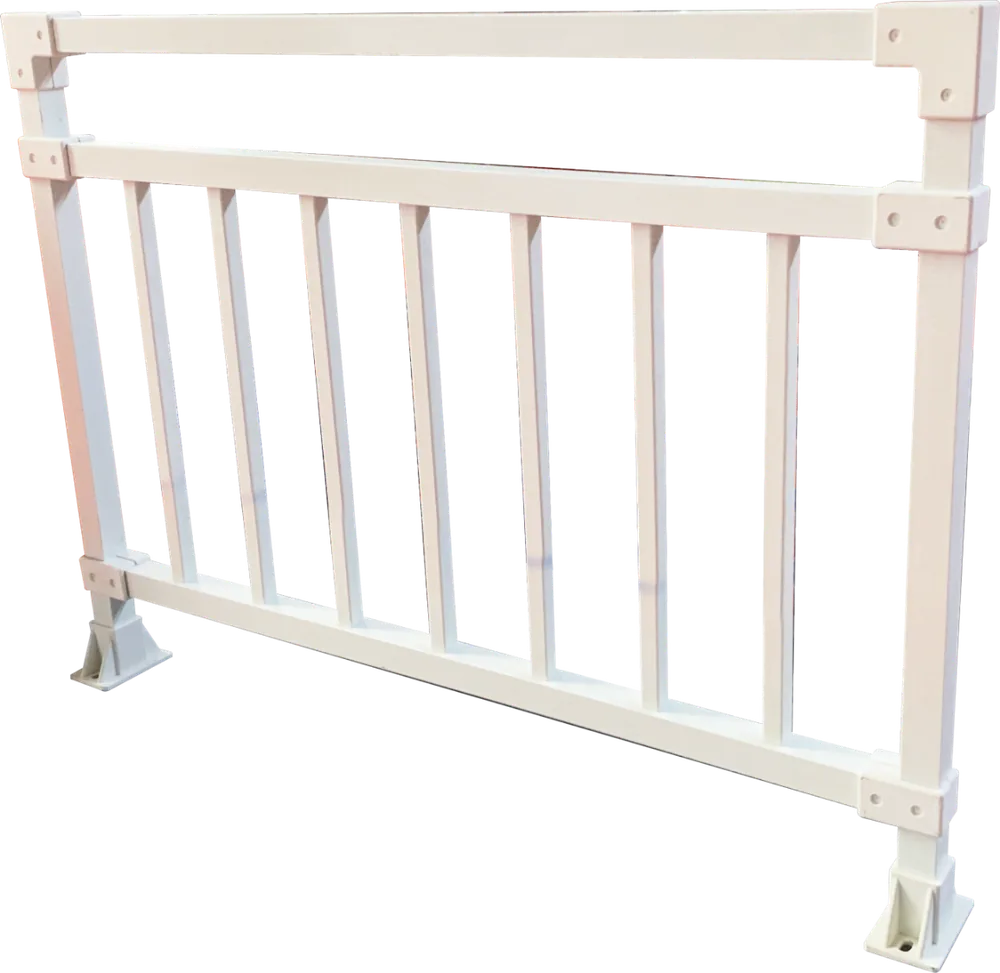
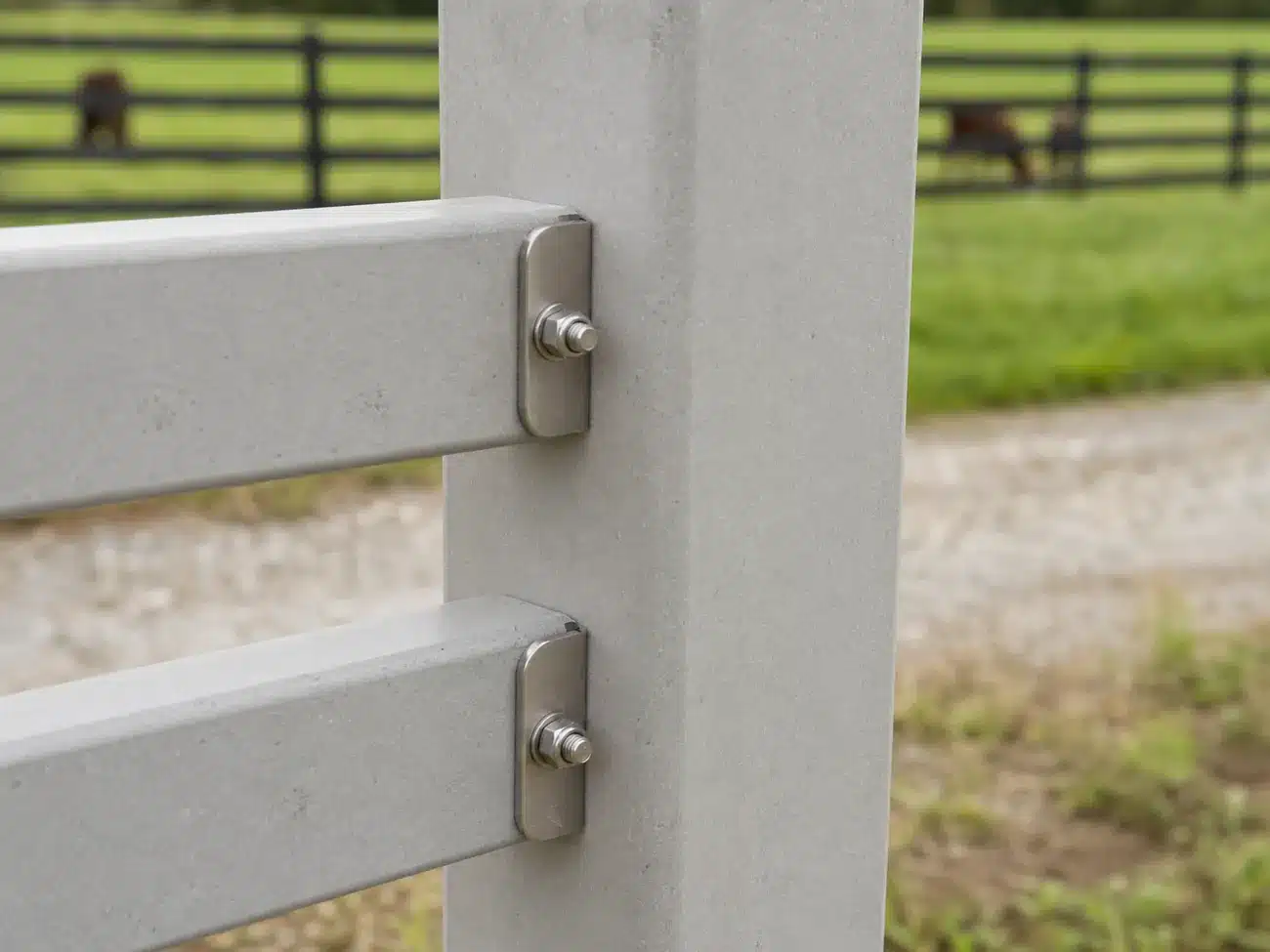
Representative FRP fence rail and post connection with stainless hardware
Representative connection visualization · final hardware by project
Connection checkpointThe hole, bracket and fastener can control the system.

Show rail ends, hole locations, edge distances, inserts, bolts and animal-facing surfaces on the drawing. Do not quote the profile independently from its connection.

Field engineering brief

Seven inputs turn a fence idea into a responsible profile review.

01Fence functionAnimal type, perimeter/divider/electric duty, temporary or permanent use and any equipment interaction.
02Line / corner / terminal / gateIdentify high-tension, change-of-direction and opening locations separately from ordinary line-post duty.
03Geometry & spacingProfile section, fence height, rail/wire spacing, post spacing, clear openings and required cut lengths.
04Loads & movementWire tension, rail load, animal rubbing or impact, gate loads, wind, deflection and support condition.
05Ground & fixingSoil, embedment depth, concrete/base plate, drainage, frost or settlement considerations and removal/reuse needs.
06Hardware & processingClips, insulators, bolts, hinges, latches, holes, notches, end caps and animal-facing edge requirements.
07Exposure & validationUV, moisture, manure, chemicals, temperature, electrical duty, required standard/property and approval route.
Haikuo product & factory proof

Connect the application idea to real factory evidence.

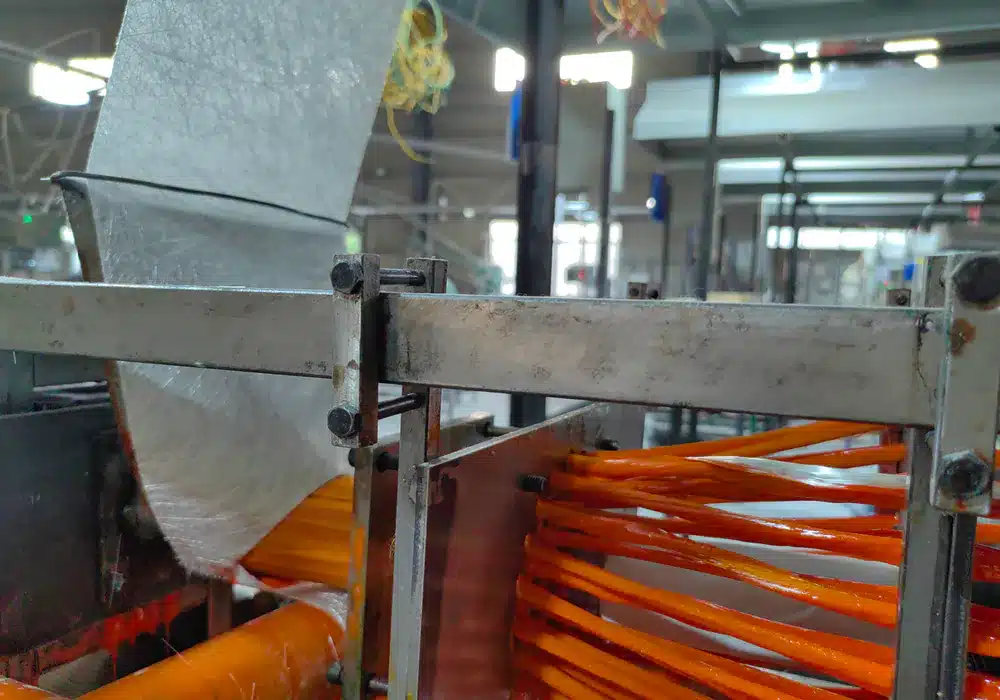
The first four application scenes on this page are representative visualizations. The images below come from Haikuo’s livestock product material and factory photo library.
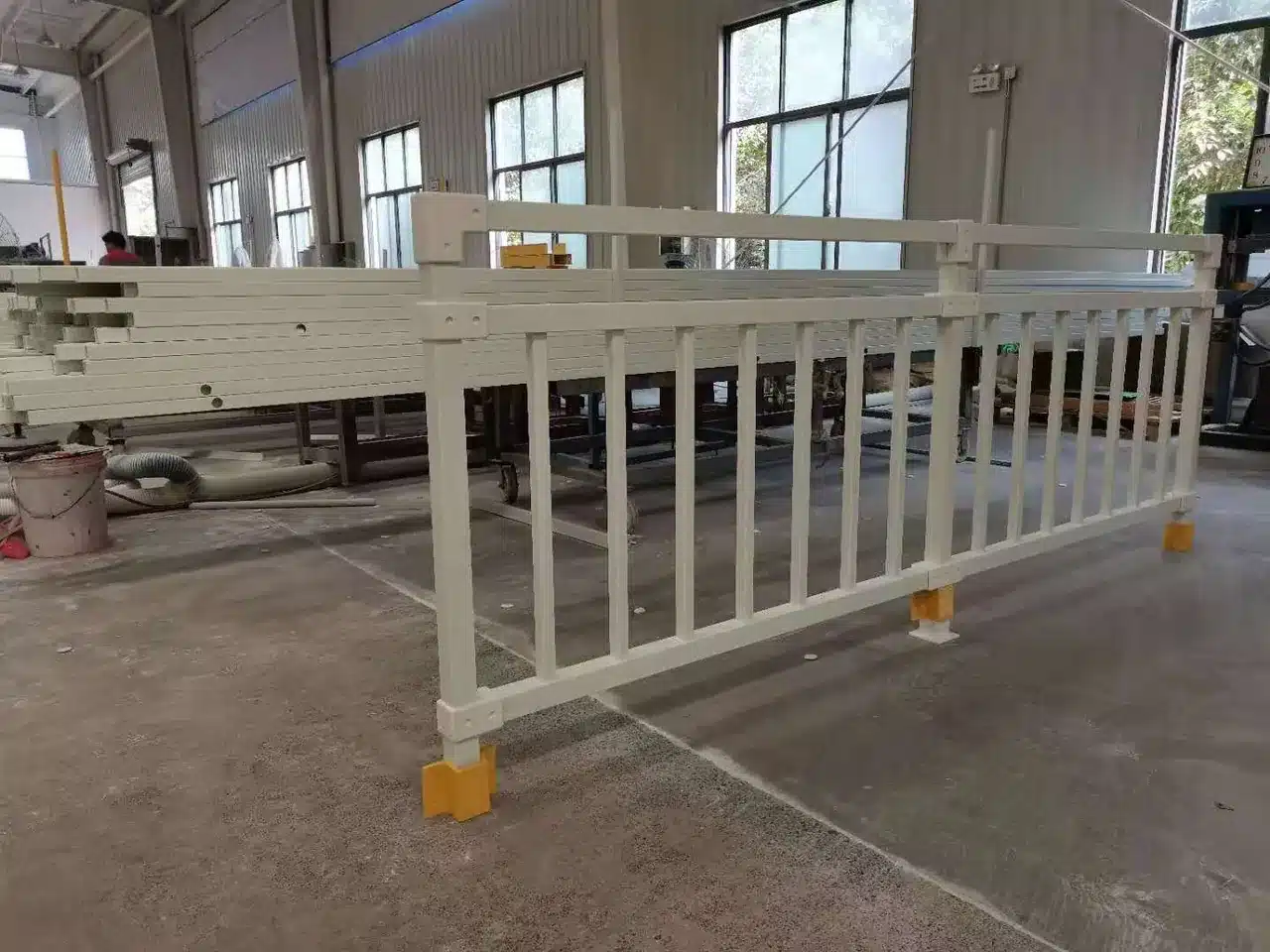
Haikuo FRP livestock gate and divider assembly at the factory
Haikuo · livestock gate / divider assembly
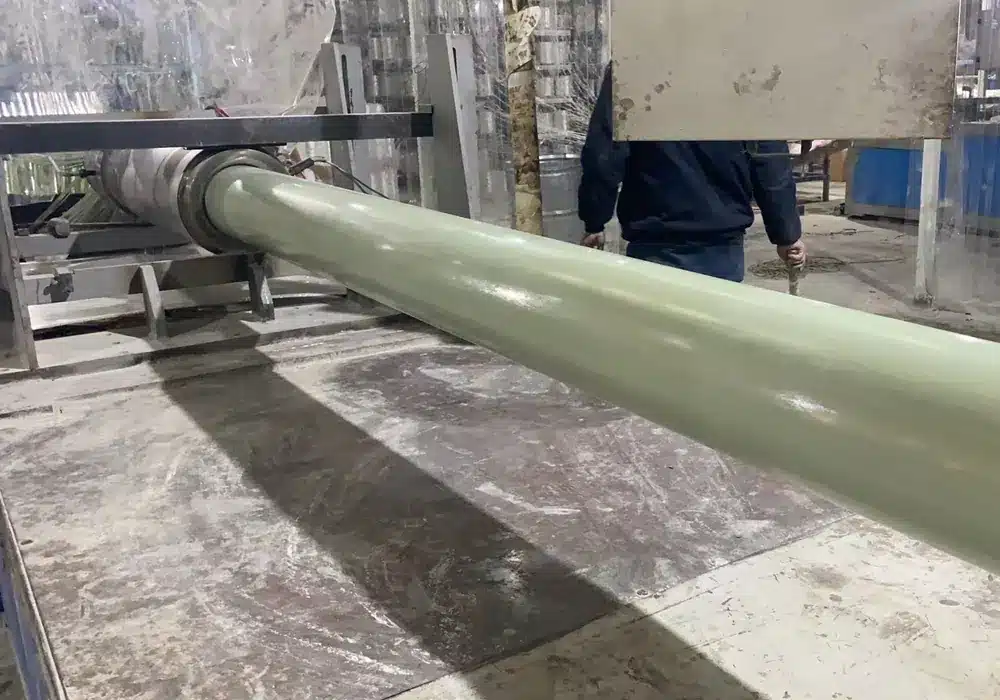
FRP profile forming at the Haikuo factory
Haikuo · pultruded profile forming
FRP profile processing at the Haikuo factory
Haikuo · basic profile processing
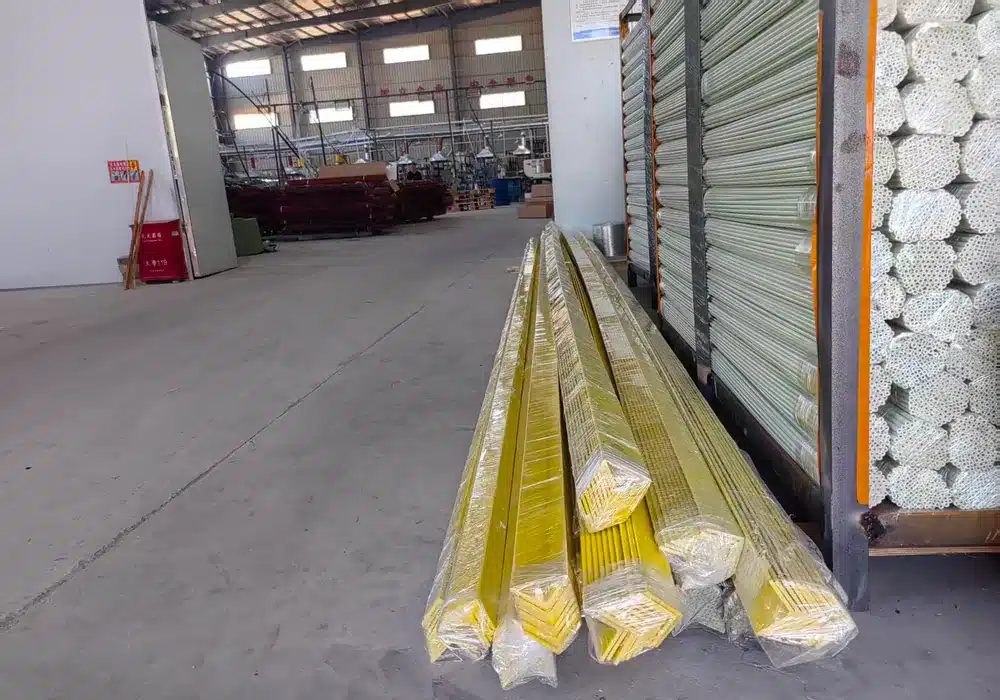
FRP profiles prepared for export packing at the Haikuo factory
Haikuo · export packing
01Drawing & cut listProfile section, revision, cut length, hole/processing positions and part numbers.Before production
02Profile inspectionCritical dimensions, straightness, cut length, visual surface and processing checks.Order control
03Assembly interfaceBracket, hinge, latch, base and end-detail compatibility checked against supplied information.Project checkpoint
04Bundle identificationPart labels, quantities per bundle and protection for long rails or posts.Packing control
05Destination inputsContainer/loading limits, handling method, delivery destination and required documents.Export control
Decision & approval boundary

Approve the fence system—not only the material sample.

A profile sample can confirm section, surface and processing. It cannot by itself validate animal containment, a corner load, a gate, an electric-fence system or the final field installation.

Haikuo can reviewStandard or custom profile route, pultrusion feasibility, stated material requirement, cut length, basic drilling/cutting, dimensional inspection inputs, part identification and export packing.
Buyer / system designer confirmsAnimal containment concept, post spacing, structural loads and safety factors, foundations, gates/corners, electrical-fence design, local rules, field installation and final end-use approval.
Livestock fencing buyer FAQ
Can one FRP post be used for line, corner and gate locations?

Do not assume so. Corner, terminal and gate locations can carry much higher or concentrated loads. Send the system layout and load assumptions so each location can be reviewed separately.

Are FRP posts suitable for electric fencing?

A non-metallic FRP post may be considered, but compatibility depends on the specific composite, insulators, voltage/system design, moisture/contamination and local installation requirements. Final approval belongs to the system designer or buyer.

Can holes, tips and custom lengths be supplied?

Cut lengths, sharpened or finished ends, holes and basic secondary processing can be reviewed against a controlled drawing. Availability and tolerances are confirmed per project.

What information speeds up a quotation?

Send the fence zone, animal/application, drawing or section size, height and spacing, line/corner/gate map, loads if known, ground/fixing method, hardware, exposure, quantity and destination.

Useful quotation packageLayout or site photo · section/drawing · spacing · loads · ground/fixing · hardware · exposure · quantity · destination
Livestock & fencing inquiry

Send the fence zone, profile size and installation conditions.

Haikuo will identify the relevant standard or custom profile route, list missing manufacturing inputs and prepare the quotation scope. Standard quotes target 24 hours; custom drawing feasibility review targets 48 hours.

Ask for Fence Profile Recommendation
WhatsApp +86 189 5198 8522
www.frpgdhk.com