
Move from a design requirement to a manufacturable constant cross-section, then define the sample, trial-order and repeat-supply controls before committing to volume.
Material choice matters, but supplier qualification usually fails at interfaces, tolerances, approval evidence and revision control. The page should make those decisions visible before price comparison.
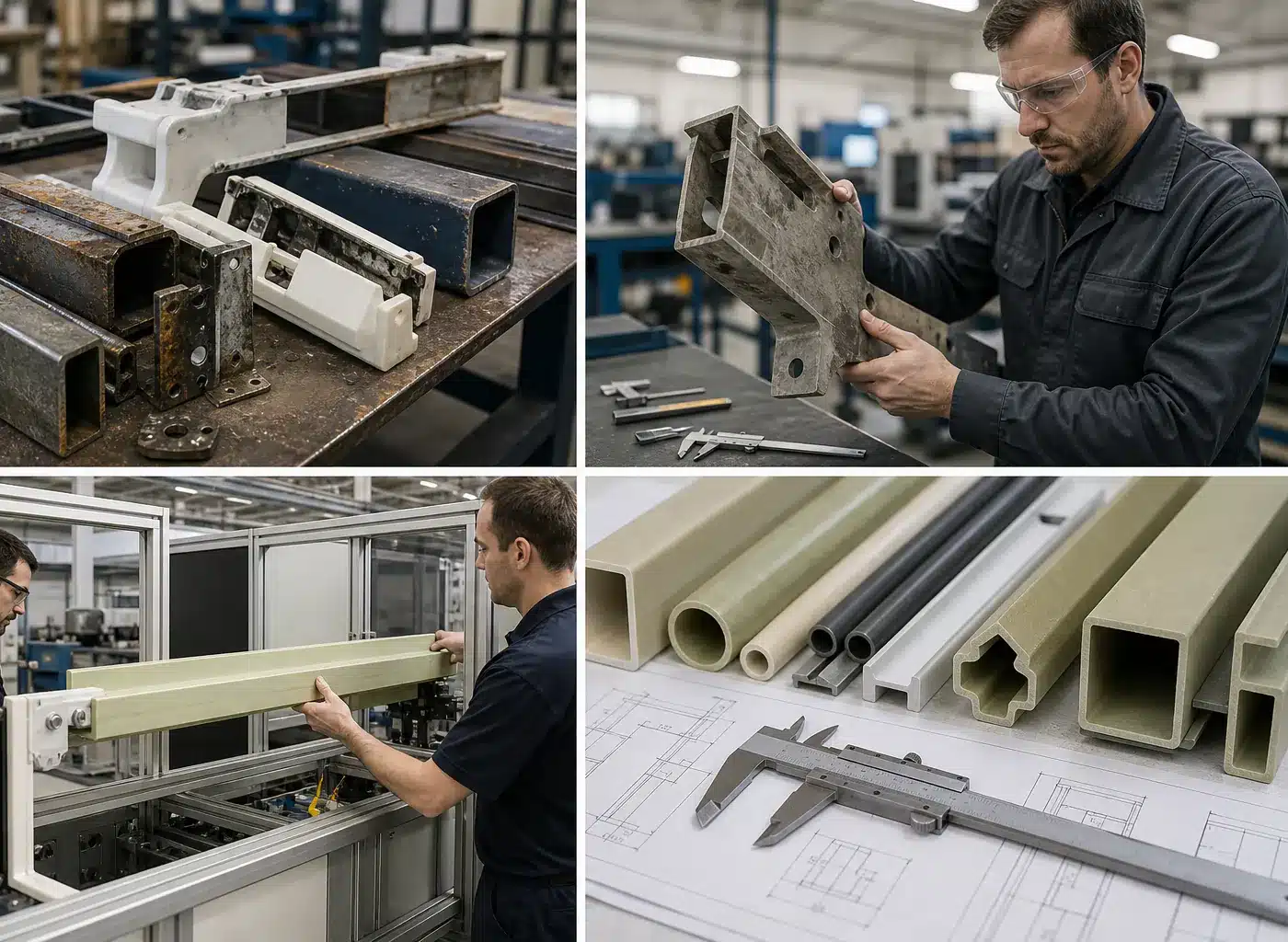
A profile can meet its outer dimensions and still conflict with fasteners, clearances, mating parts or processing zones.
“Precise” or “good appearance” is not an inspection rule. Critical dimensions, datum logic and visual acceptance need a shared baseline.
A drawing update after sampling can create disagreement about tooling, material, cut length and approved appearance.
Colour, surface, processing, labels and packing can drift when the order documents do not define what must remain consistent.
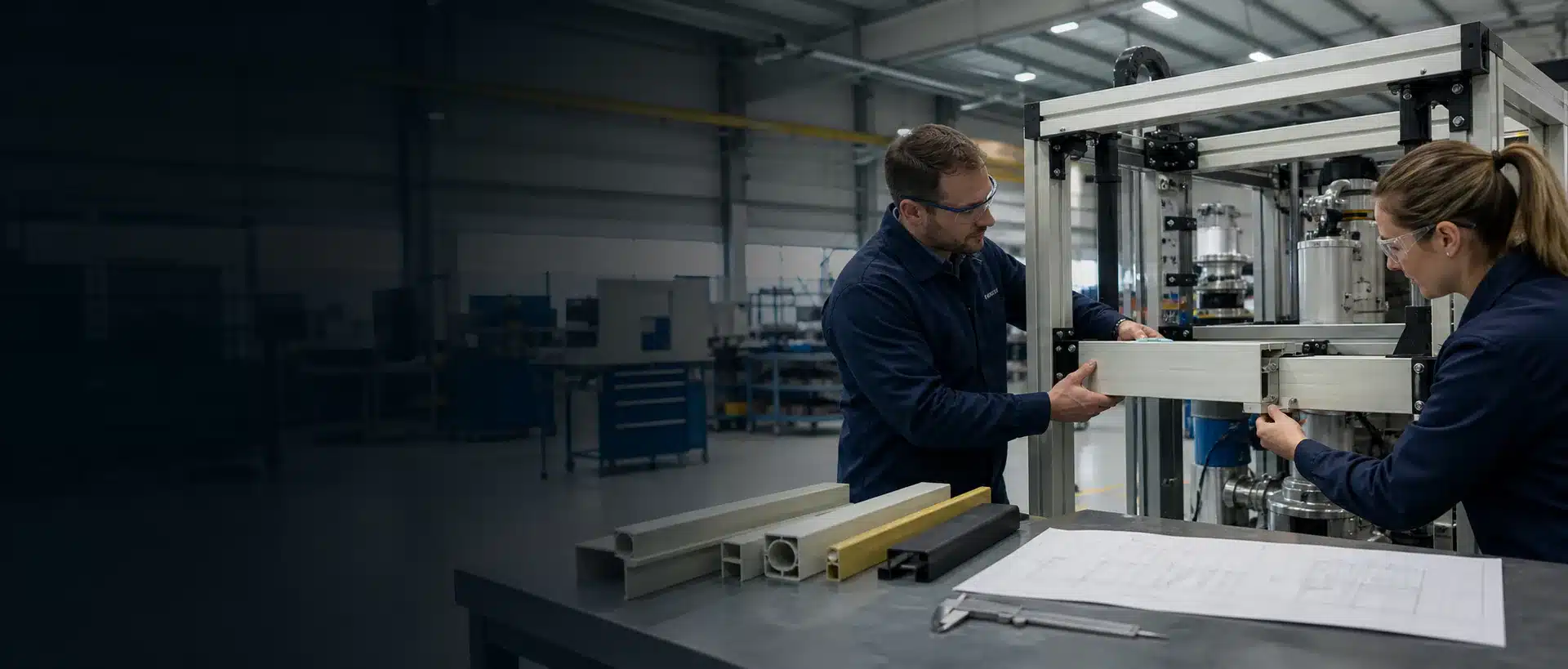
Pultrusion is a continuous process for constant cross-sections. The faster Haikuo understands the assembly, critical dimensions, performance objective and annual supply pattern, the faster the team can separate a standard-profile option from a tooling-led custom route.
A marked-up drawing, assembly image or existing sample can start the review. Final requirements should be converted into controlled order documents before tooling or production approval.
The first goal is not to rush into tooling. It is to make each approval point visible so geometry, material, sample status and commercial scope do not separate as the project moves forward.
Haikuo can review profile geometry, material/manufacturing requirements, tooling route, sample/trial scope, cutting or drilling, inspection inputs and export packing.
The OEM confirms functional design, design loads and safety factors, assembly interfaces, regulatory requirements, intended environment, prototype tests and final part approval.
These are Haikuo’s own customer-review and factory images. They show the practical points where requirements move from discussion to profile inspection, production and processing.
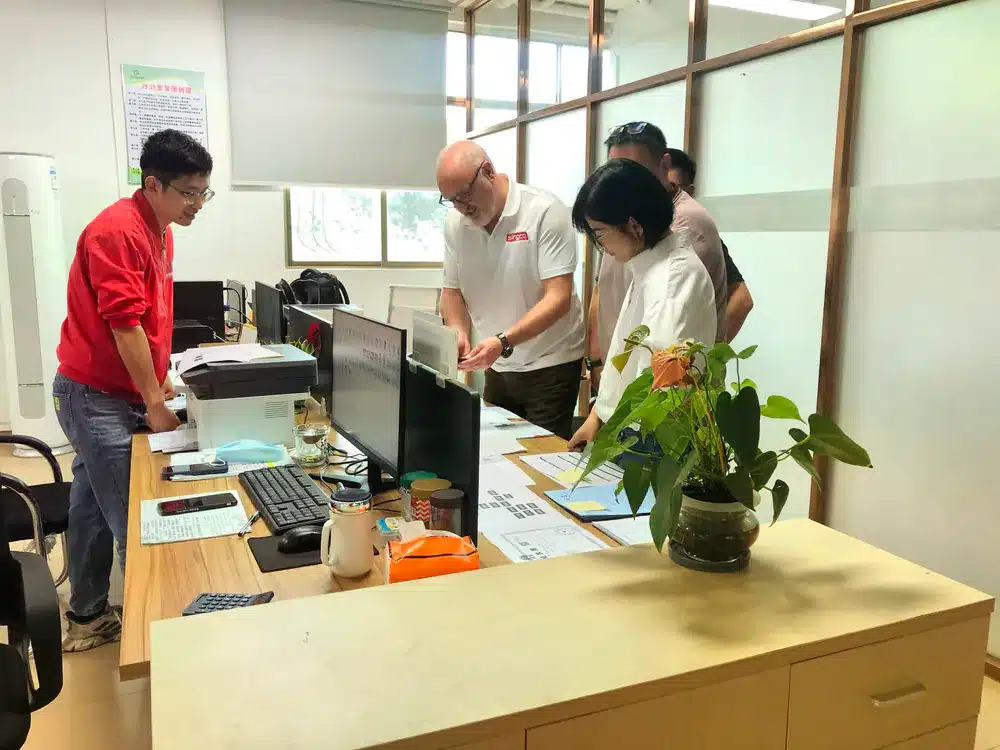
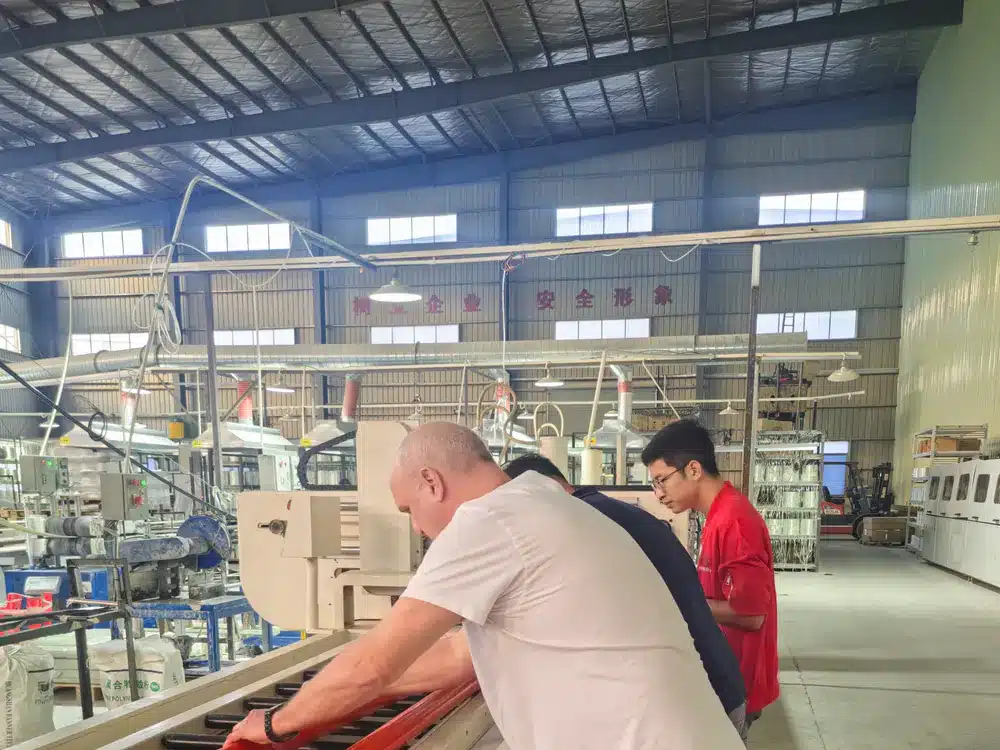
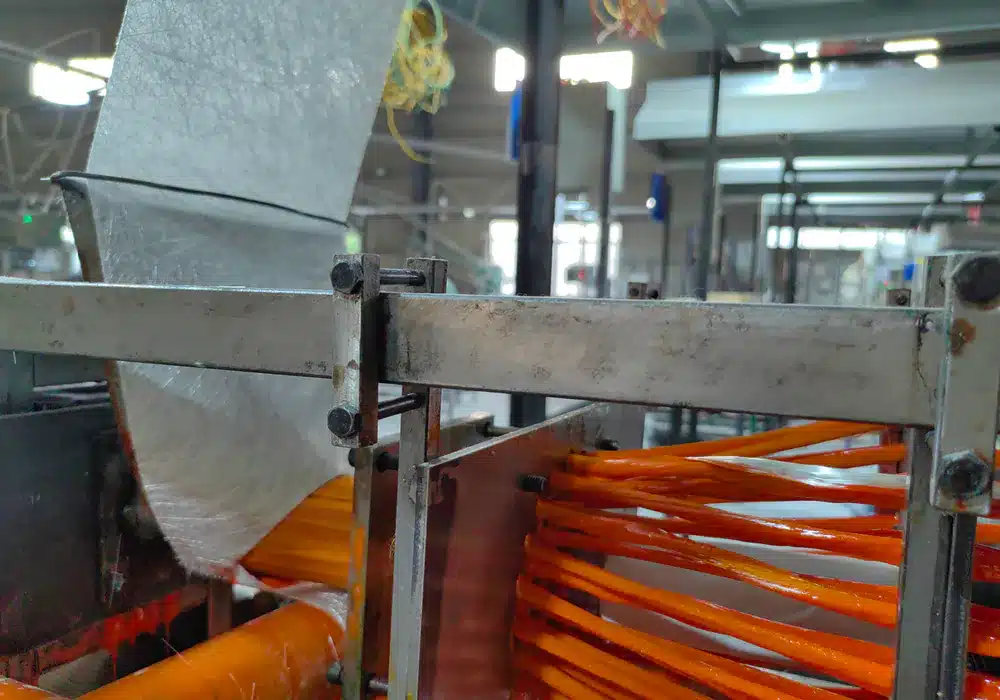
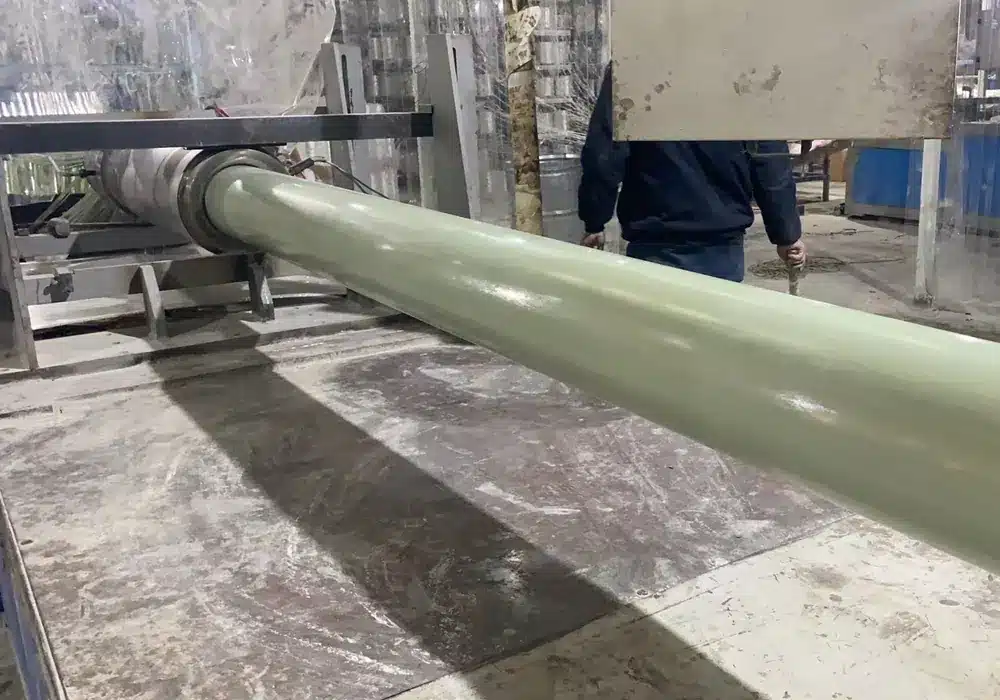
A custom profile may consolidate parts, improve an interface or deliver the required material behavior. A standard profile may reduce development time and tooling risk. Many equipment programs use both.
The profile can be reviewed around geometry, material system, finish and processing—but feasibility, tooling, test requirements and customer approval must be defined before production.
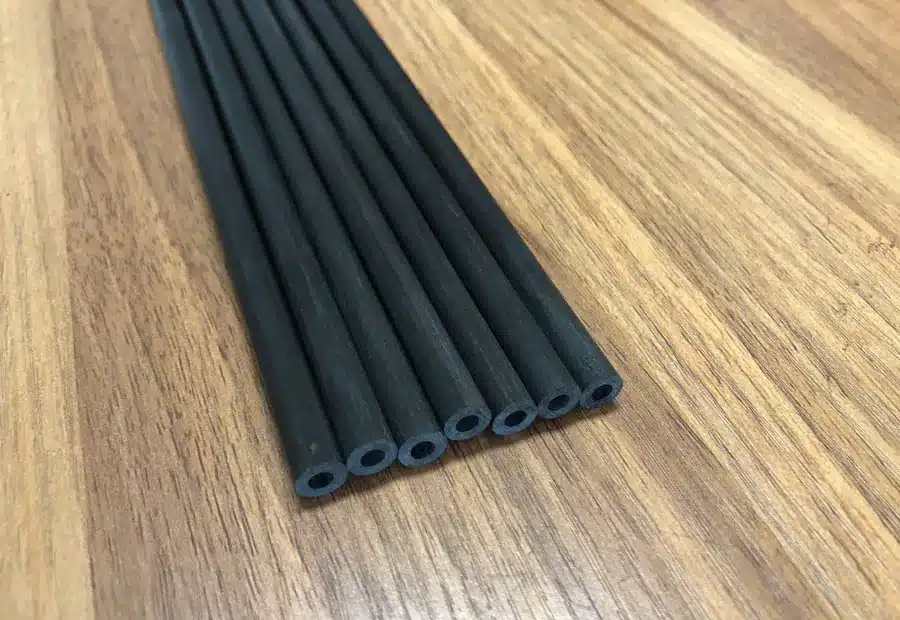
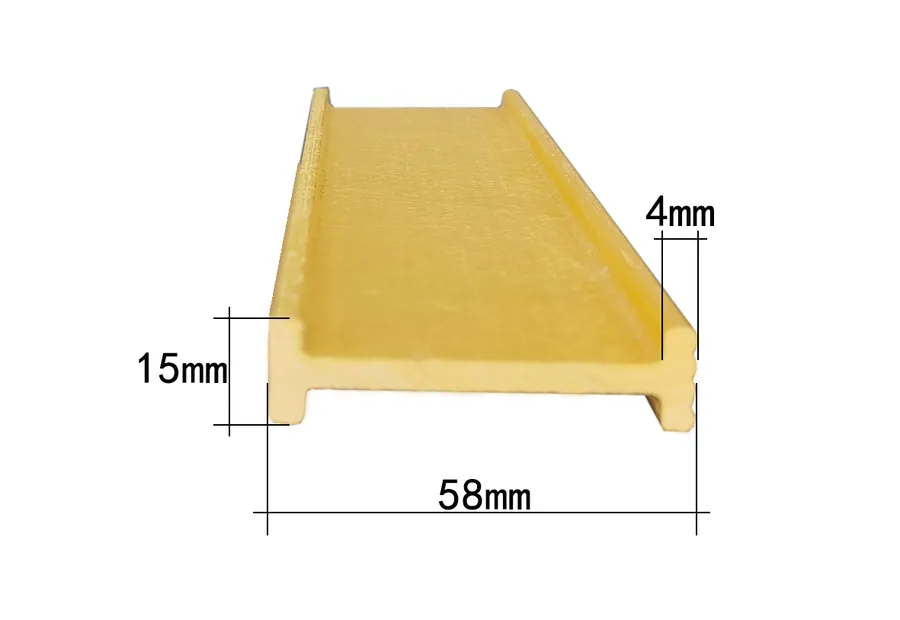
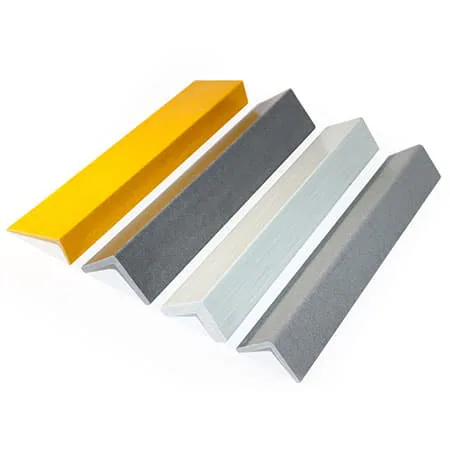
A first article can look successful while the future supply baseline remains ambiguous. These four records should agree before the program moves into repeat purchasing.
Yes. A concept drawing, marked-up section, assembly image or existing sample can start a manufacturing-feasibility discussion. Tooling and production require a controlled final specification.
No. A standard tube, channel, angle or other existing profile may be the lower-risk choice. Custom tooling is most useful when the constant cross-section creates repeatable functional or assembly value.
Haikuo can screen the section, interfaces, stated material and performance requirements, likely tooling route, processing needs and missing information. It is not a substitute for the OEM’s final design validation.
Yes. The required sample, trial quantity, inspection and approval route should be defined with the drawing, tooling and commercial scope. Availability and cost are confirmed per project.
Use the approved drawing revision, material/appearance baseline, critical inspection characteristics, processing details, part identification and packing requirements on each purchase order.
Send the drawing or sample photos, assembly/application description, critical dimensions and tolerances, environment, processing, sample/trial need, expected quantity and destination.
Haikuo will review the manufacturing path, identify missing project inputs and prepare the relevant quotation response. Standard quotes target 24 hours; custom drawing feasibility review targets 48 hours.