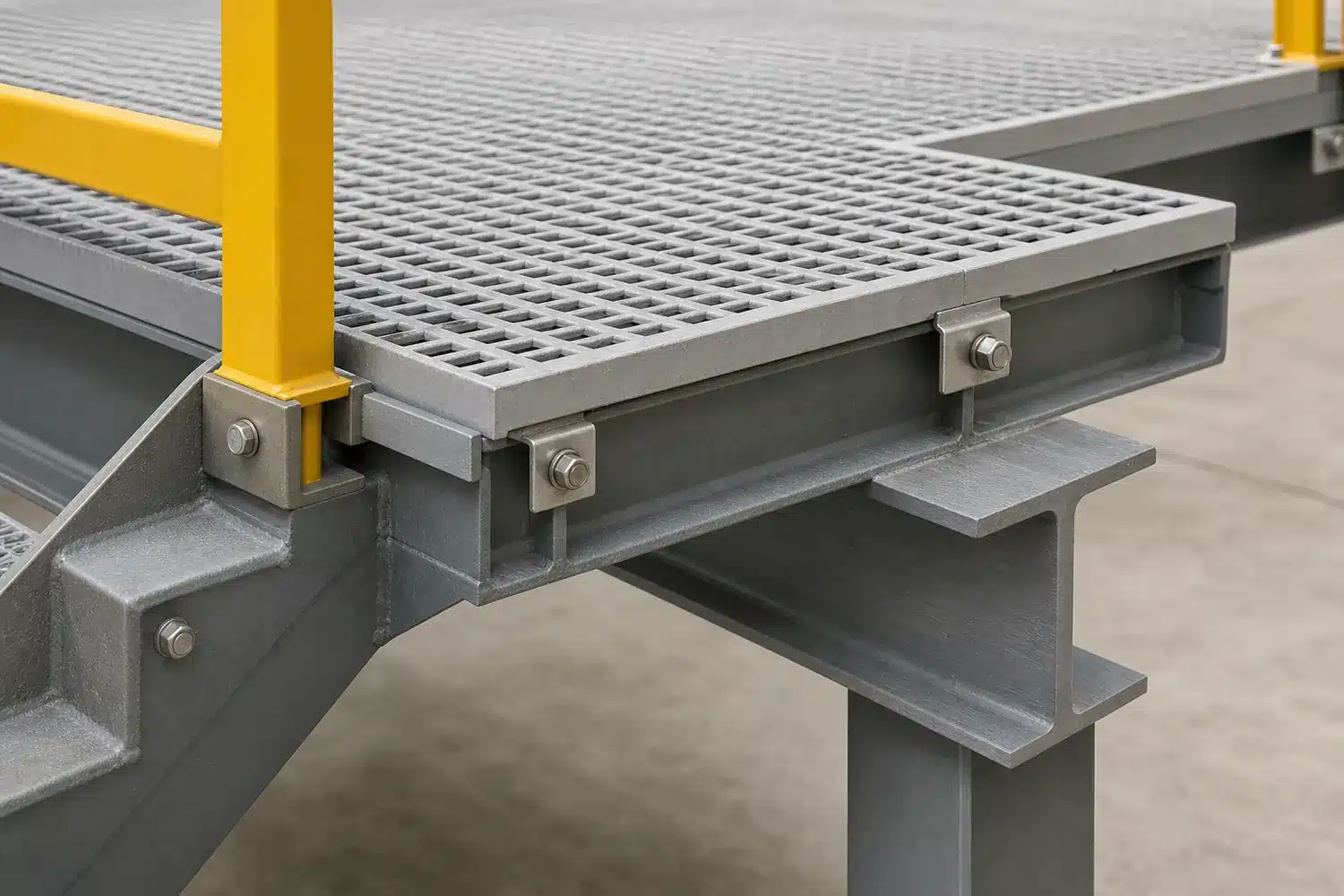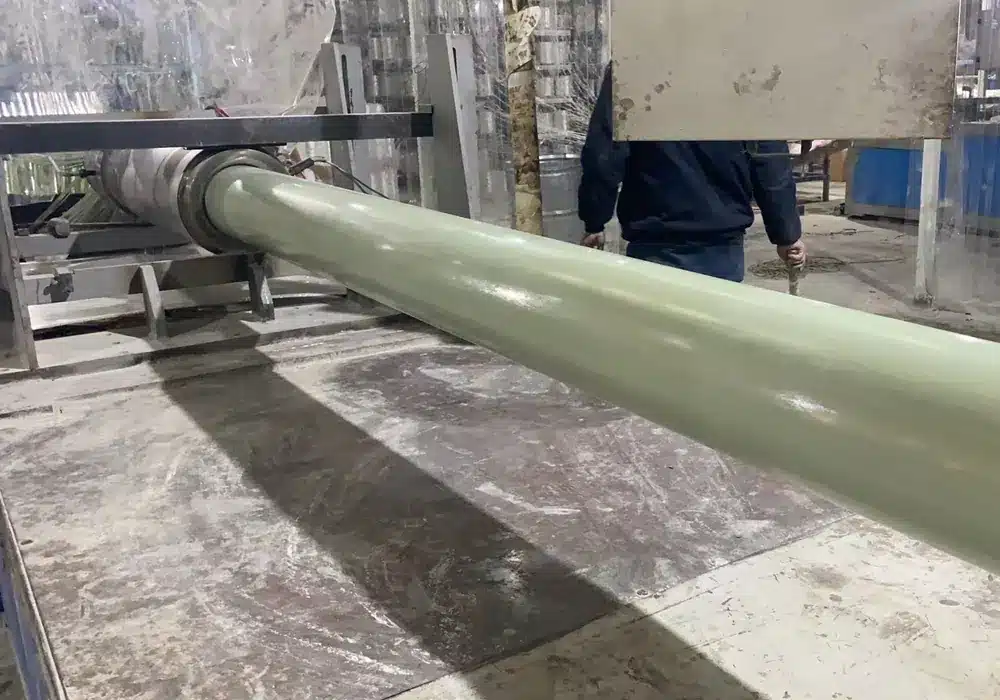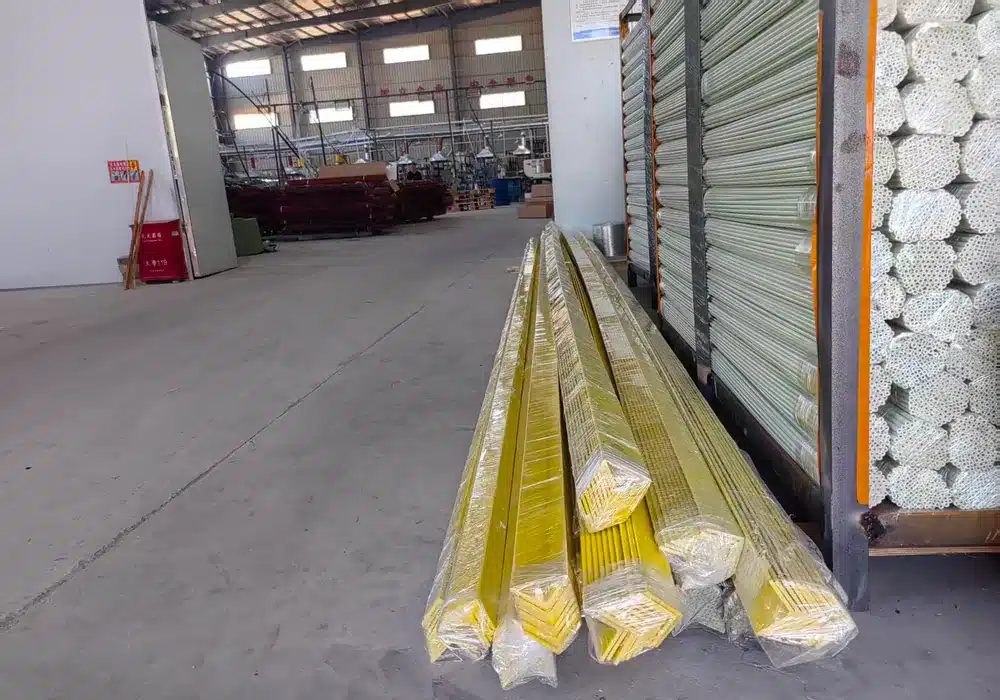
Coordinate FRP grating, beams, channels, handrail profiles, stairs and processed connection details around the real access route—then define what Haikuo supplies and what the project engineer approves. Use FRP engineering support to prepare load, span, support and connection inputs.
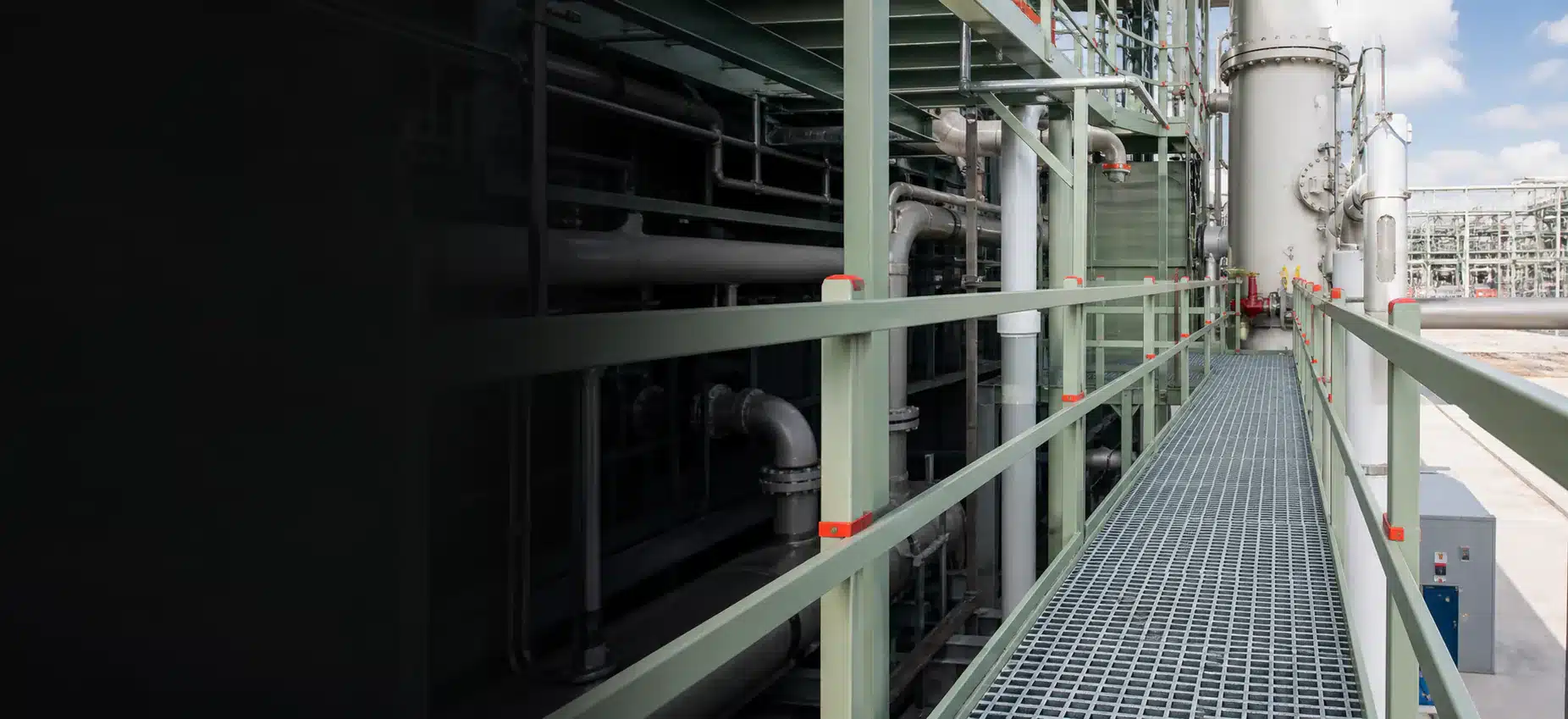
Industrial buyers rarely replace a platform because of one isolated material property. The real cost appears through shutdown coordination, unsafe access, repeated coating, lifting constraints and uncertainty at connections.
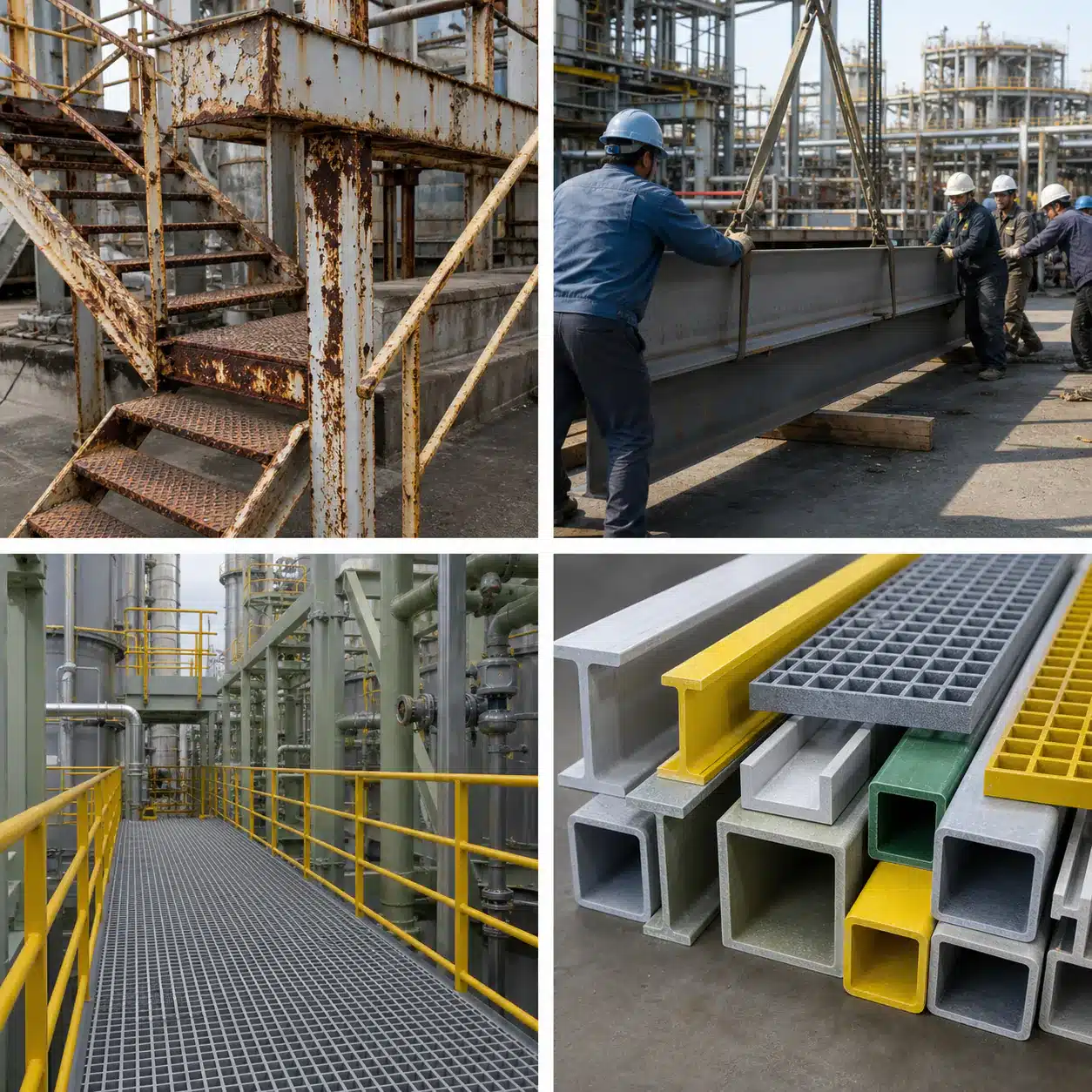
Grating may remain usable while steel supports, clips, handrail bases or edge members deteriorate underneath.
Inspect the complete load path.Repeated preparation, repainting and hot work can compete with production windows and maintenance schedules.
Compare lifetime maintenance—not only purchase price.Large steel members or panels can require more lifting access, people and site preparation around operating equipment.
Define panel size and installation route.Drainage, surface texture, opening size and dropped-object control affect safety and serviceability.
Specify the actual traffic and surface condition.A responsible RFQ follows the load and access route from the walking surface into supports, connections and the existing site. Replacing only the most visible component can leave the original failure mechanism in place.
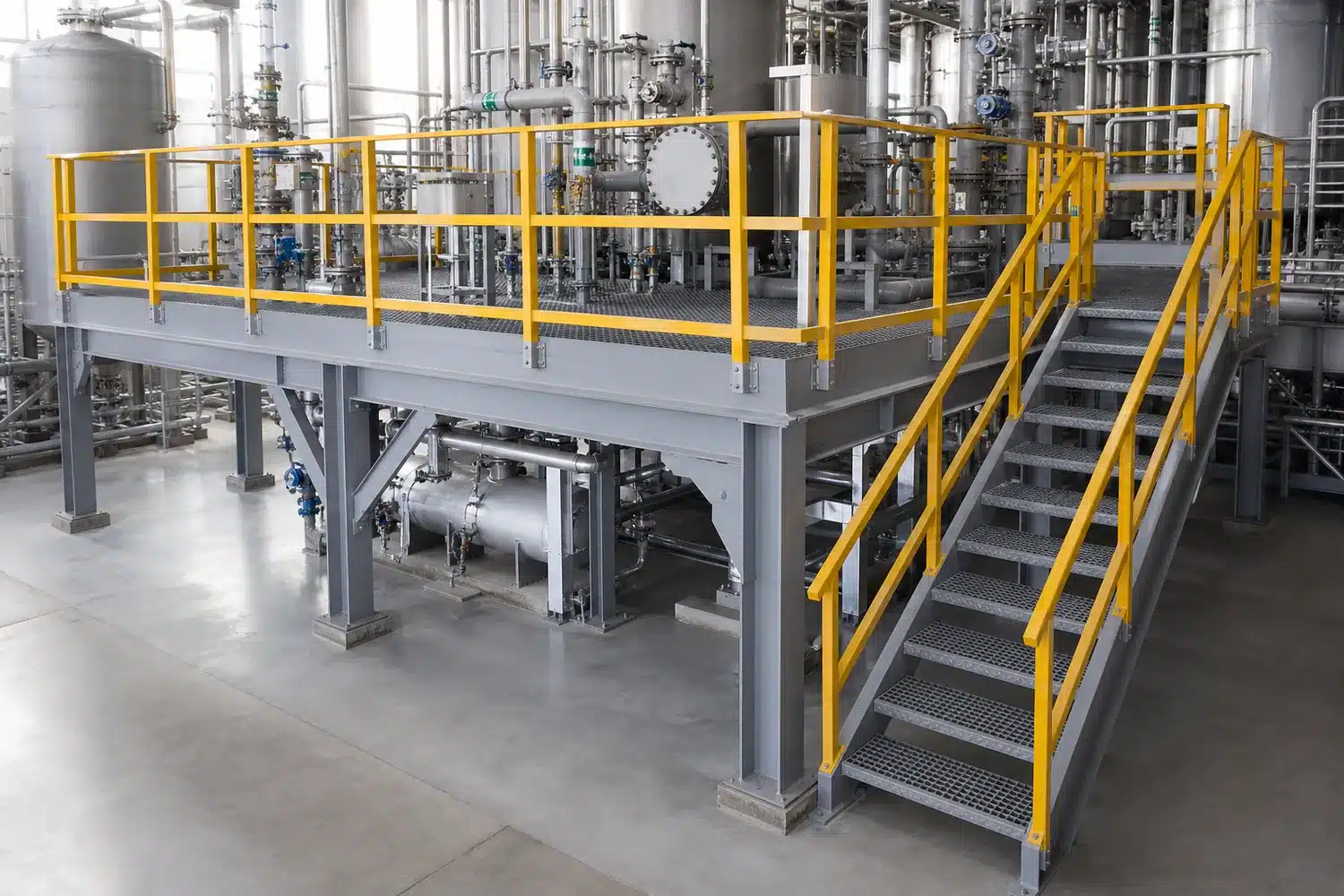
Standard or custom pultruded profiles, product dimensions, resin/colour/surface requirements, basic cutting or drilling, labels and export packing can be reviewed against the order documents.
The project engineer or system integrator confirms design loads, allowable deflection, spans, bracing, guardrail and stair requirements, site interfaces, installation and final service suitability.
The product name starts the conversation; the project duty determines the useful specification. Send the layout, loads, spans, environment and processing needs so the quotation can be checked against one coherent scope.
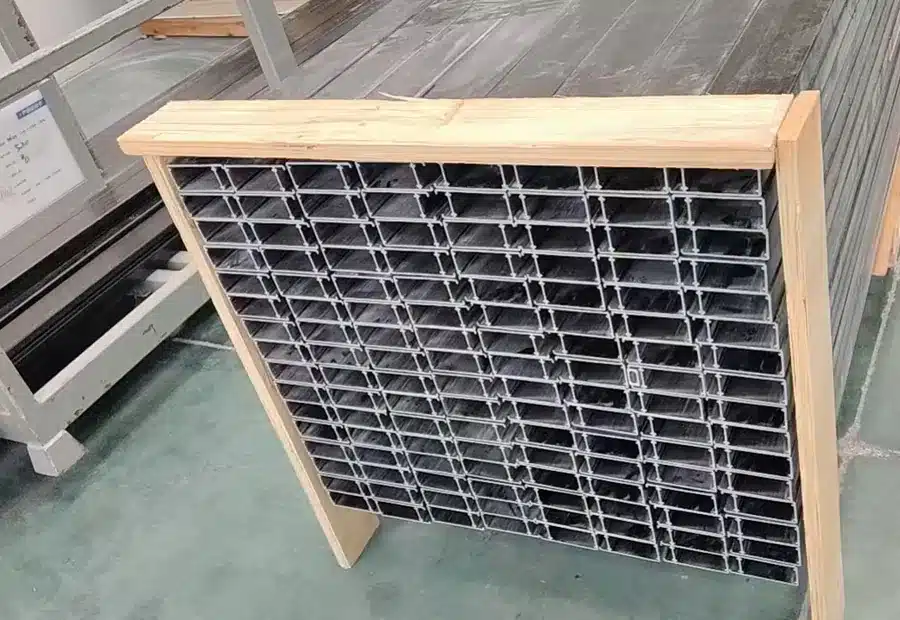
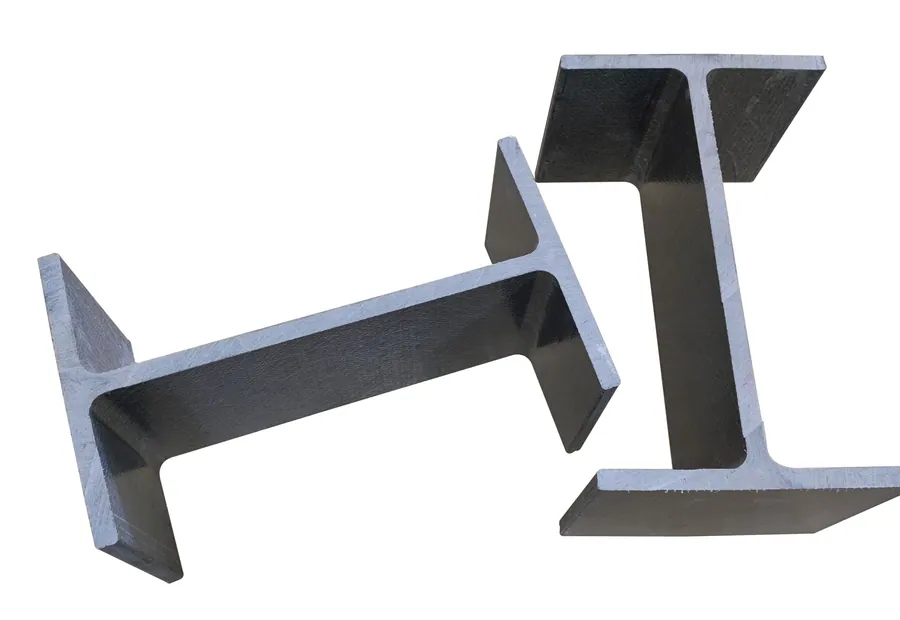
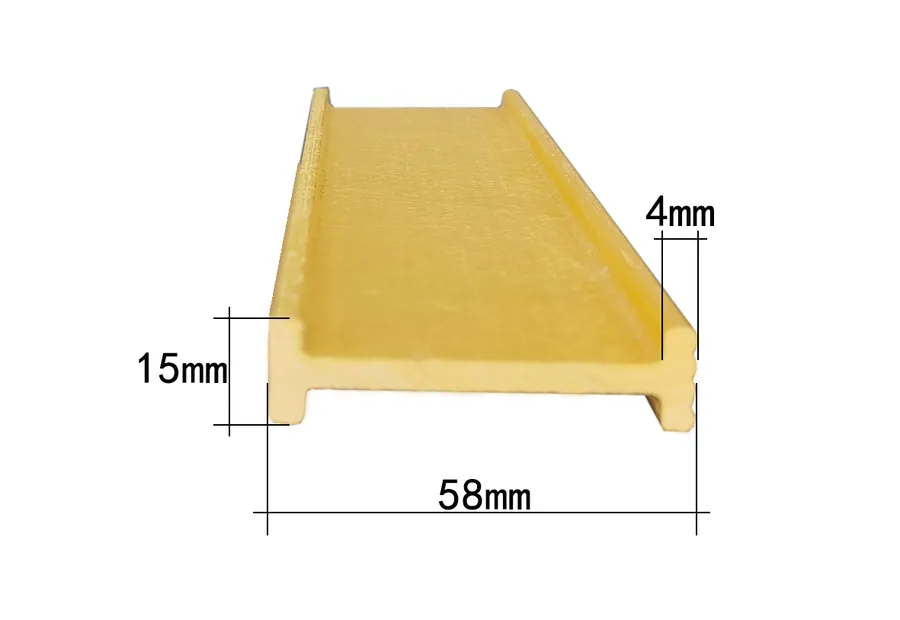
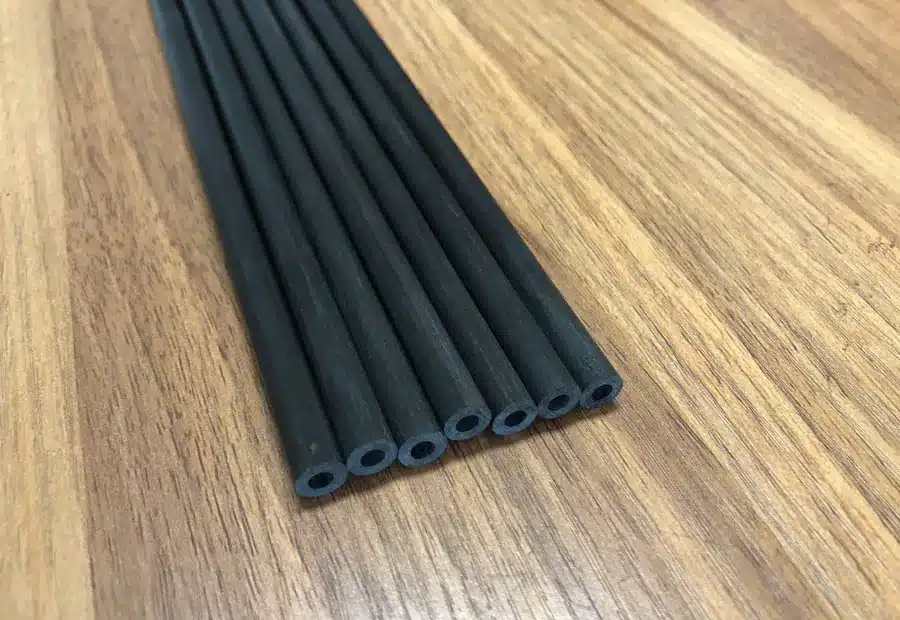
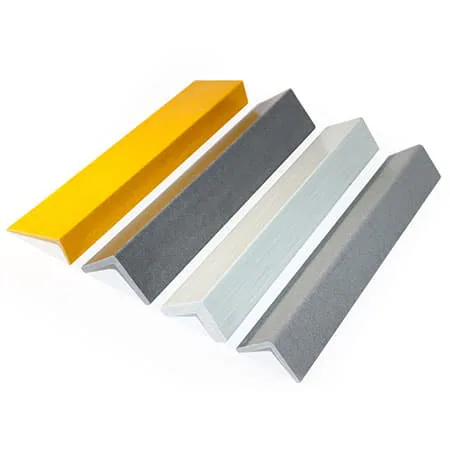
Platform packages can contain panels, long structural profiles and repeated processed parts. Clear revisions, cut lists, identifiers and packing logic reduce uncertainty when components arrive at the jobsite.