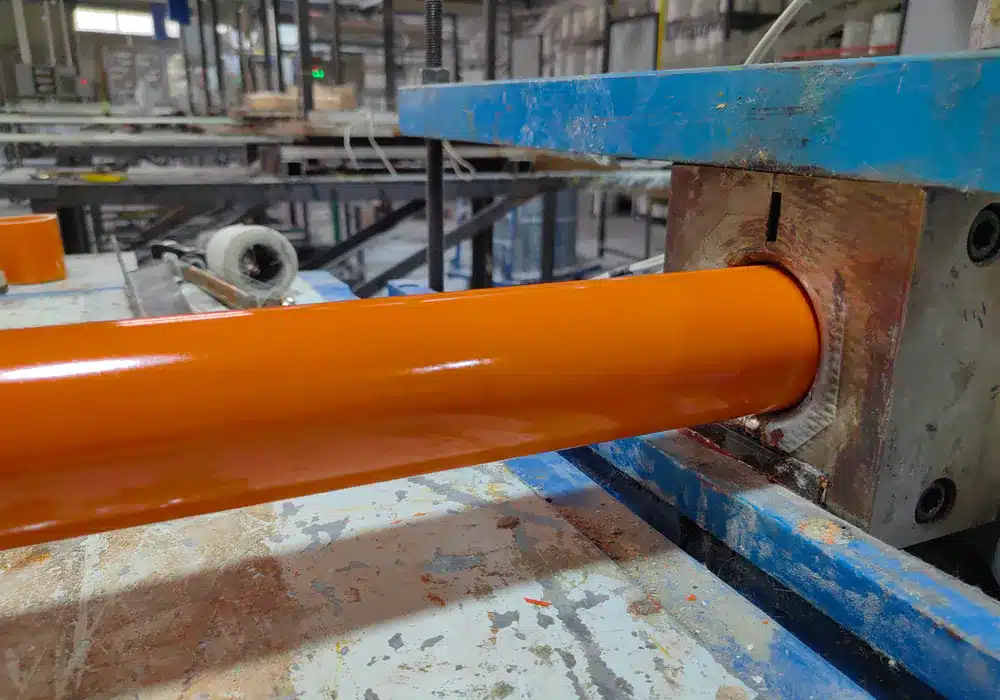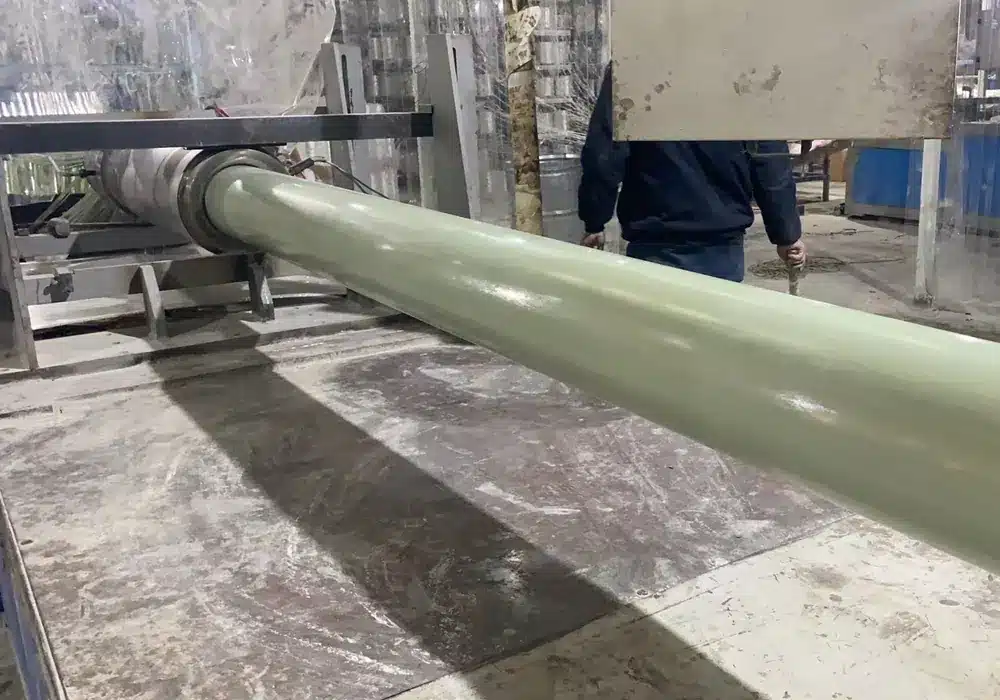
Standard and custom pultruded profiles for crop support, equipment rails, secondary framing and outdoor agricultural components exposed to irrigation, fertilizer residue and weather.
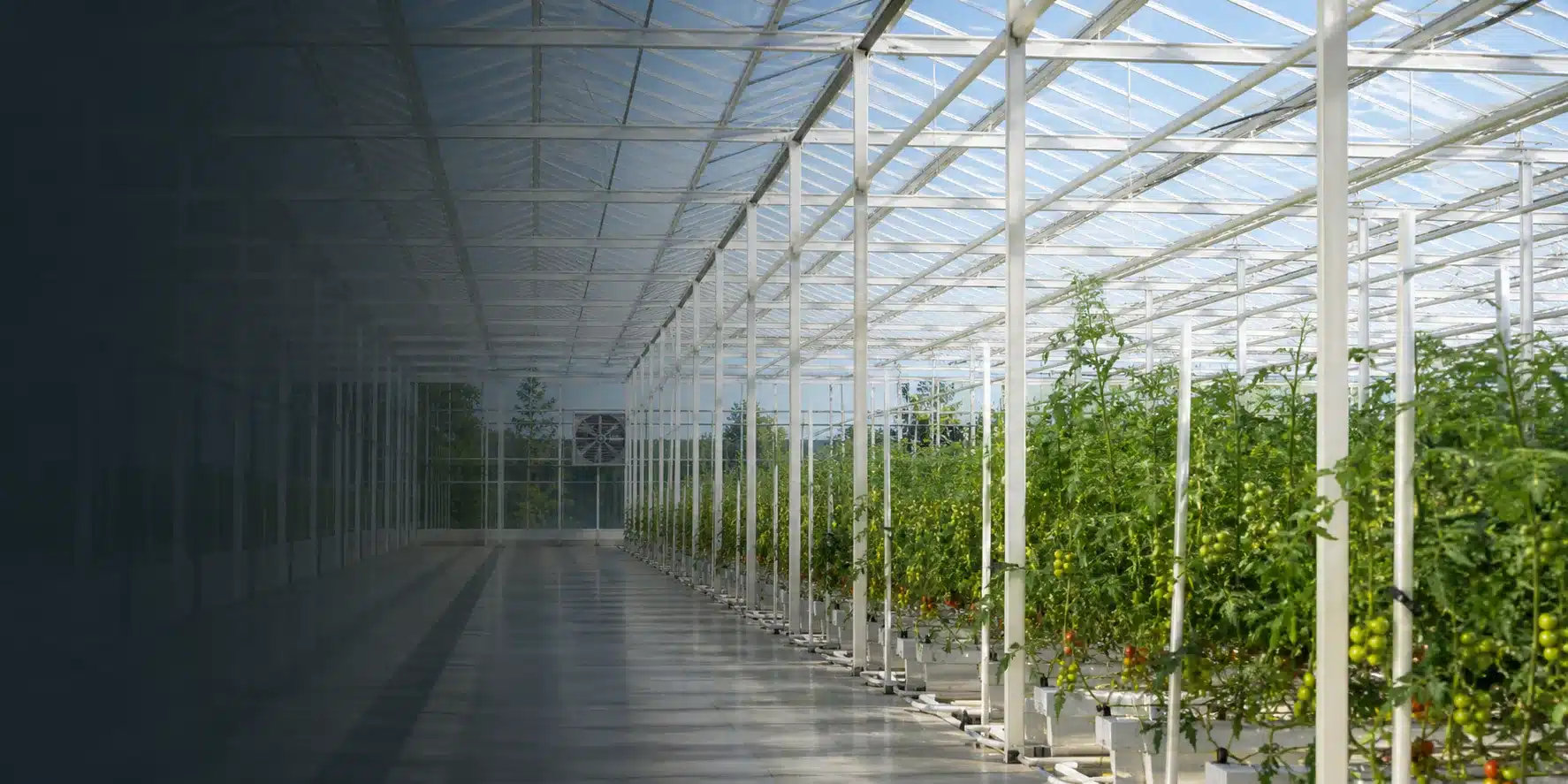
Material selection begins with the actual operating cycle: water, nutrients, cleaning, weather, suspended crop systems and the way long components are installed or replaced.
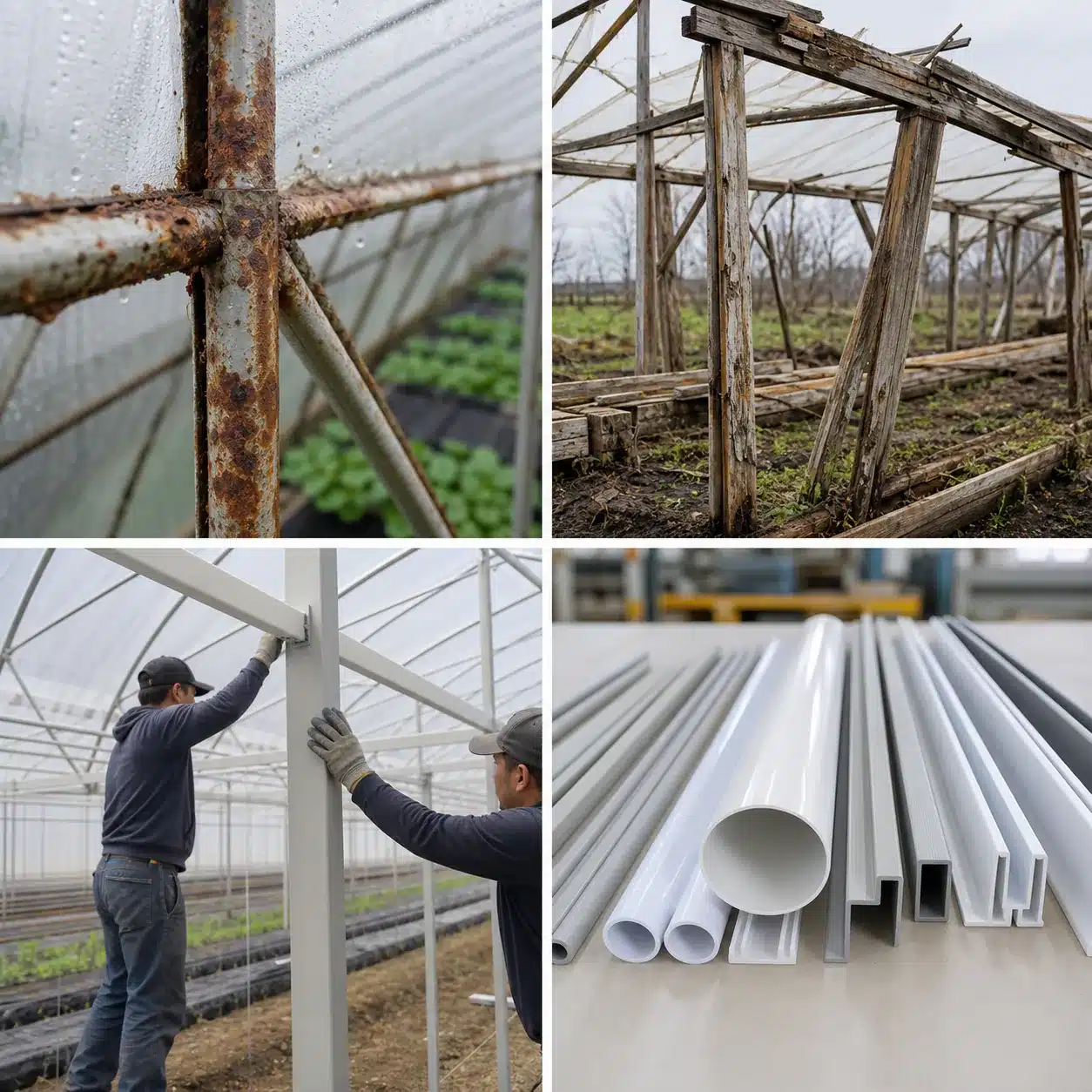
Different locations need different sections and review inputs. The same material system should not be specified for every crop-support, equipment or framing role without checking the duty.
This shortlist helps contractors, equipment manufacturers and import buyers start with the closest product family before dimensions, resin and fabrication are finalized.
Rails, posts, secondary framing and lightweight equipment structures.
Cross-section, wall, load, span, support spacing and connection method.
↗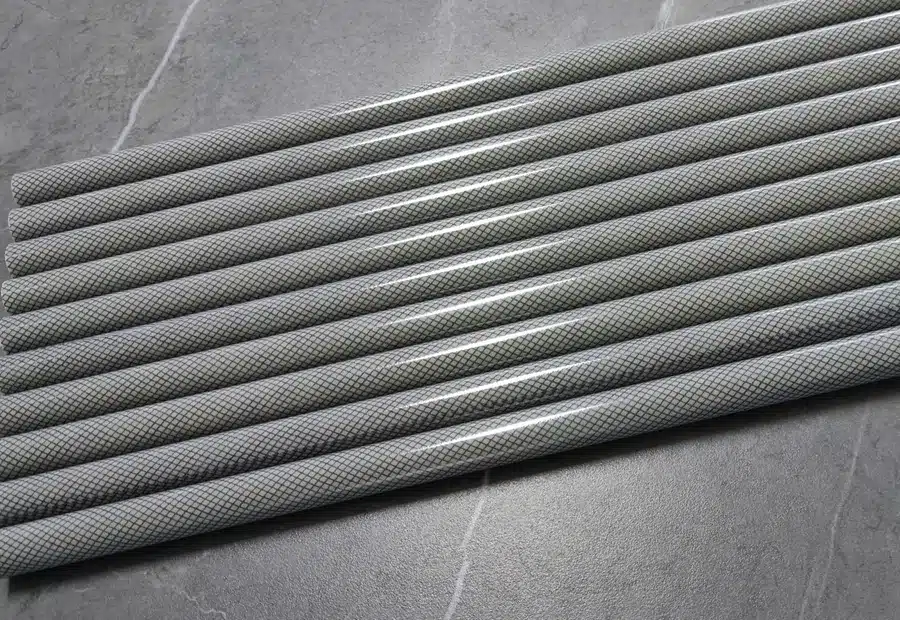
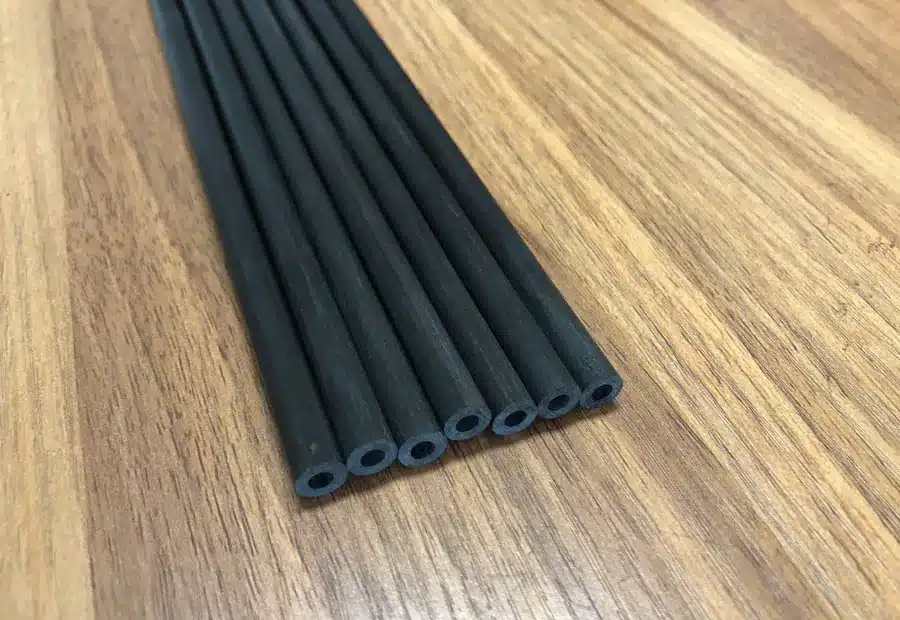
Crop training, plant support, markers and agricultural stakes.
Diameter, required stiffness or flexibility, tip/end detail, colour and length.
↗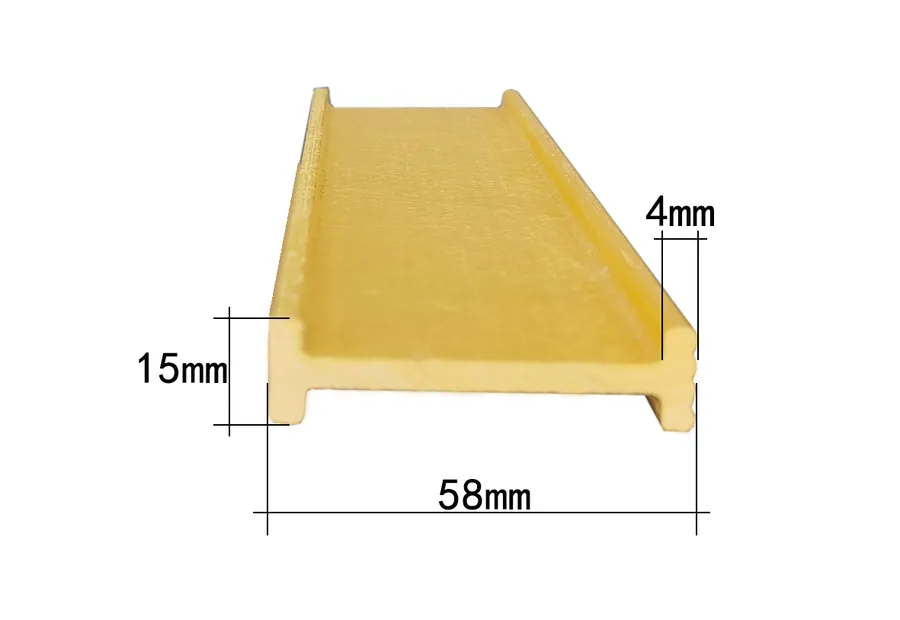
Equipment rails, edges, guides and repeat mounting details.
Inside/outside dimensions, wall, holes, cut length and mating component.
↗
Integrated rails, clips, cover supports or project-specific interfaces.
CAD/PDF or sample, tolerance, annual quantity, tooling and sample expectations.
↗Confirm the stock geometry, cut length, colour, resin requirement, quantity and destination.
Send the drawing or sample so tooling, tolerances, machining and trial quantity can be reviewed together.
For custom rails, crop-support systems and equipment interfaces, development risk is reduced by agreeing the drawing, sample, inspection points and packing details before repeat production.
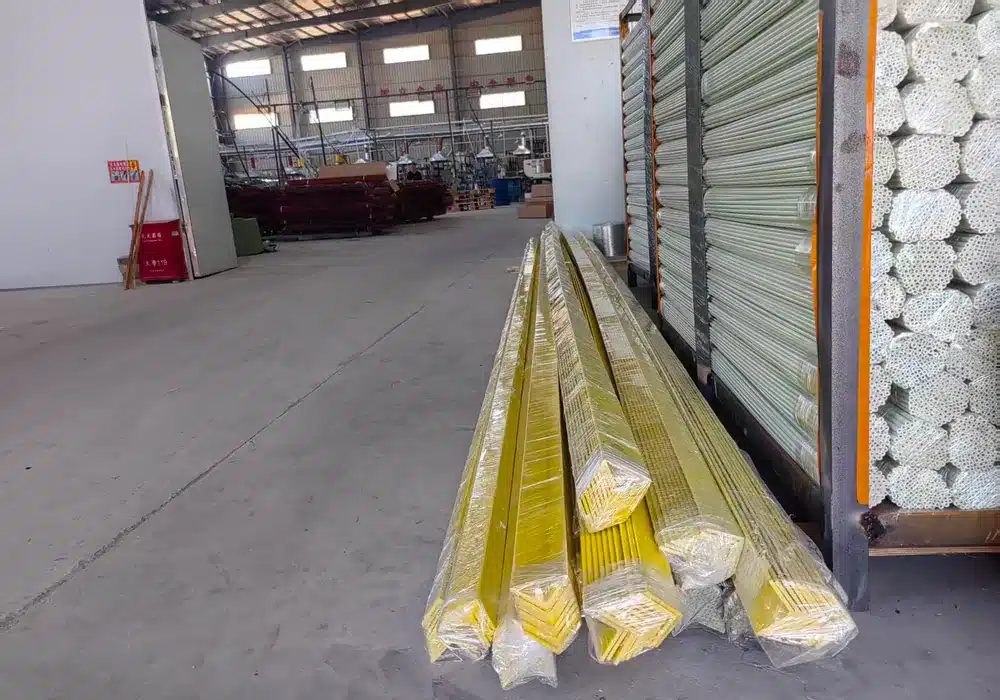
Greenhouse supply often involves long repeated sections. Inspection and packing should follow the agreed drawing, cut list, appearance requirement, bundle quantity and destination.