Review the tower type, wet zone, operating conditions, load path, airflow and connection method before choosing grating or structural profiles. Haikuo supports the profile supply package—not an unsupported one-material-fits-all claim.
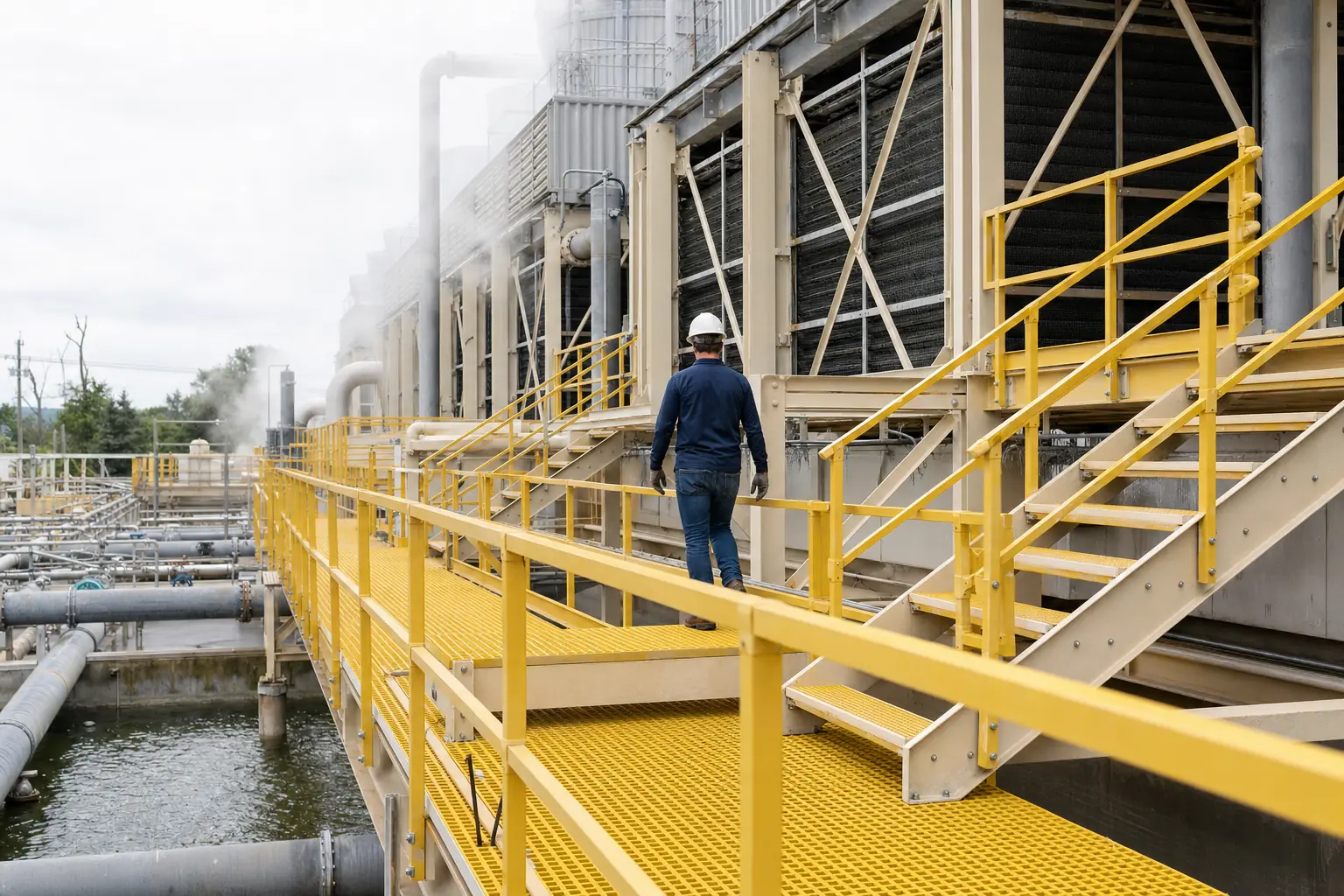
The material question is rarely limited to corrosion. A responsible review connects water chemistry, temperature, structural support, airflow, walking surface and the maintenance route.
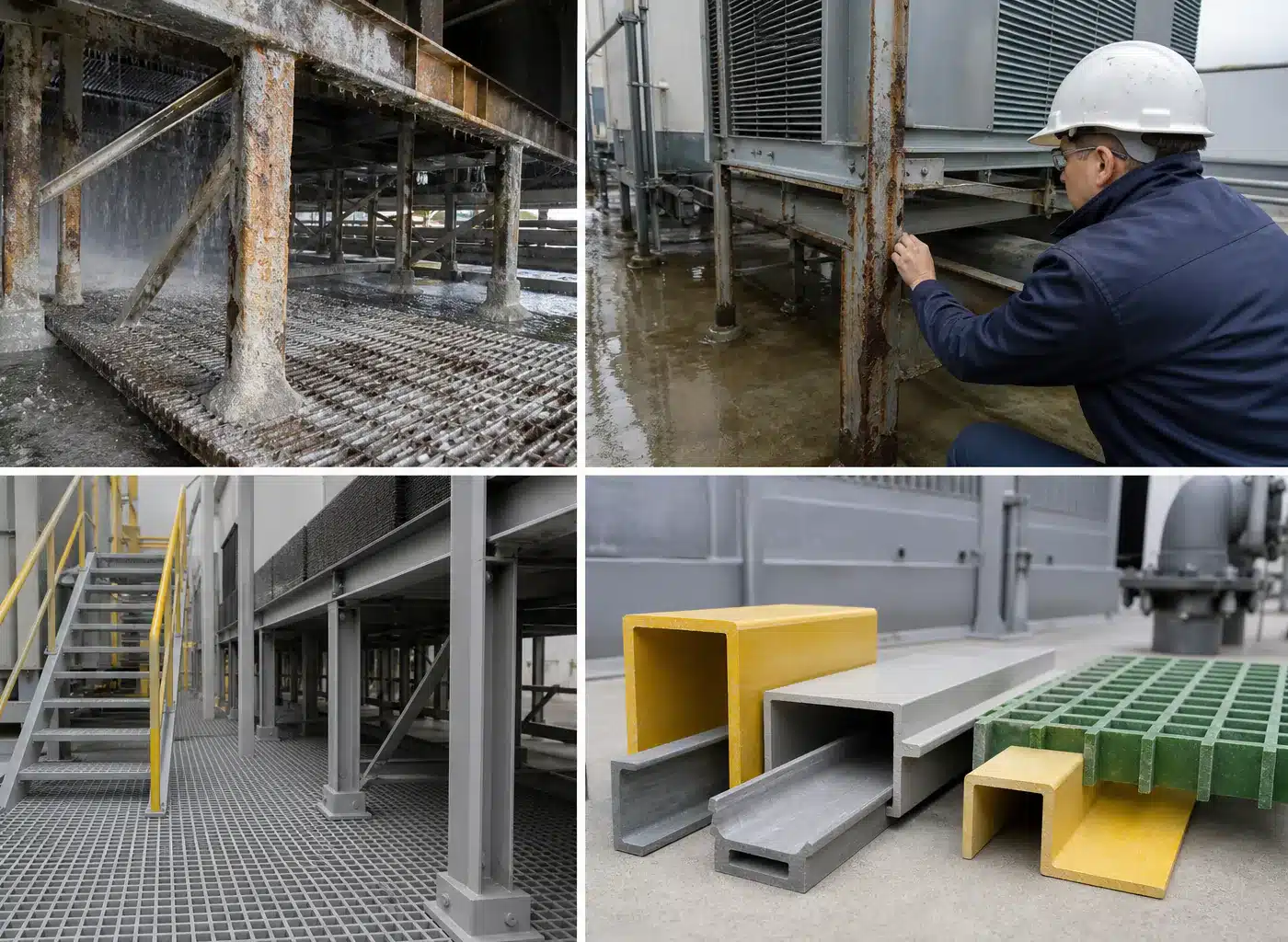
Spray, condensation and wet/dry cycling keep walking surfaces, supports and fasteners under repeated exposure.
Map splash, drainage and dry-out conditions.Treatment chemicals, concentration, pH and design temperature affect material and resin review.
State actual fluid, concentration and temperature.Decking may look serviceable while beams, columns, connections or supports have lost capacity.
Review the complete structural route.Fans, motors, fill and valves need safe access where lifting space and shutdown windows may be limited.
Show service route, clearances and removable areas.Open area, slip resistance, UV, fire requirements and structural performance must be considered together.
Do not select grating from mesh or colour alone.Each zone combines different loads, exposure, access and airflow constraints. Mark the component location first so the drawing review starts with the right questions.
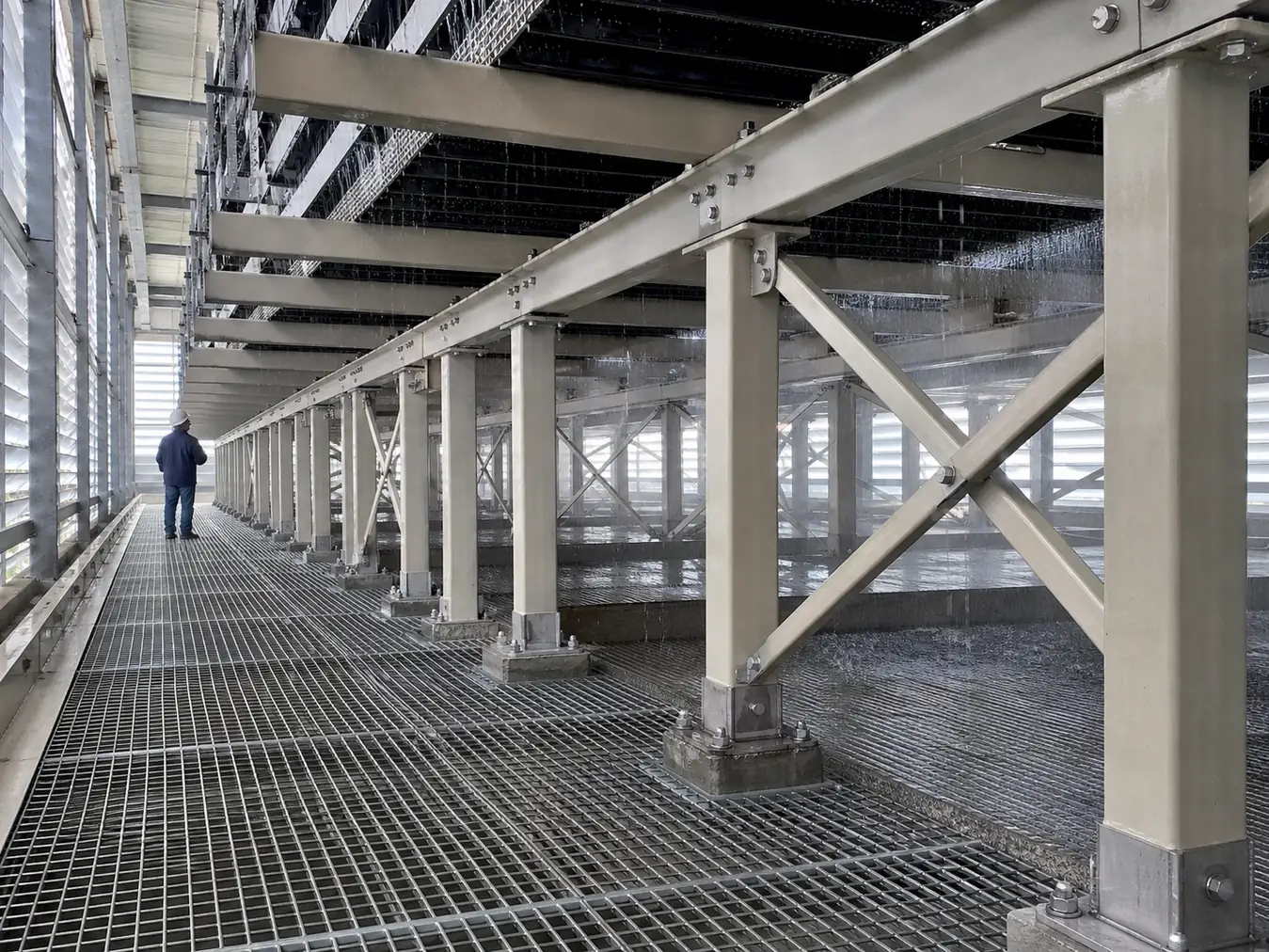
Walking surface, fan/motor access, openings, guardrails and removable panels must suit maintenance loads and wet service.
Confirm deck load · clear openings · lift/removal routePersistent wetting and water chemistry influence grating, supports, fasteners and surface selection.
Confirm chemistry · temperature · drainage · open areaSupport members may be exposed to moisture, vibration and replacement work around internal media.
Confirm component weight · span · interface · accessThe structural load path and bolted connections need project engineering—not a profile-only substitution.
Confirm drawings · loads · deflection · connection forcesPlatforms, stairs, ladders and guardrails must connect equipment service points without blocking airflow or access.
Confirm route · clearance · fixing · local safety rulesStandard profiles can shorten the first review. Custom pultrusion becomes relevant when a repeat tower, replacement program or HVAC module needs a controlled section or integrated interface.
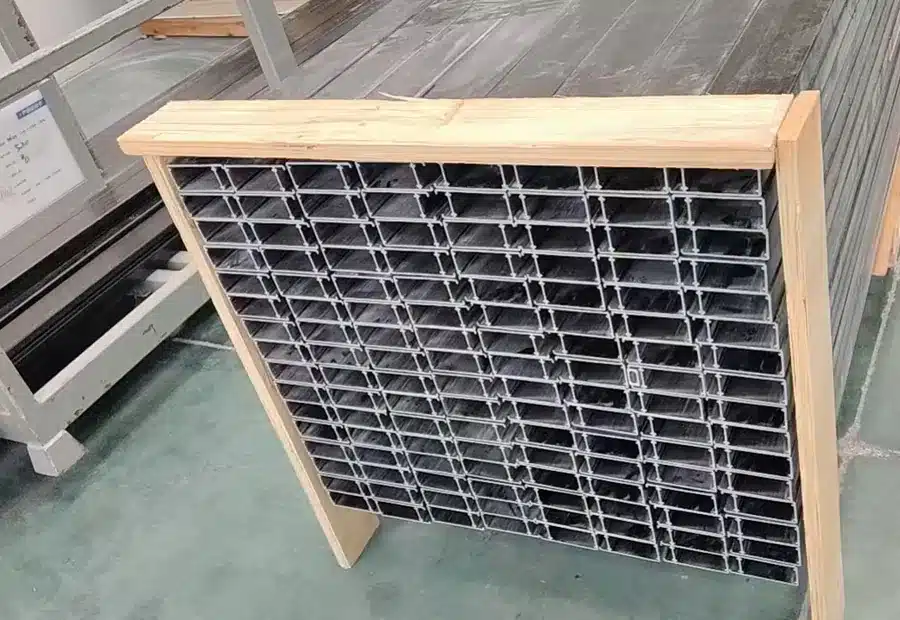
Fan decks, basin access, service walkways, stairs and removable panels in wet areas.
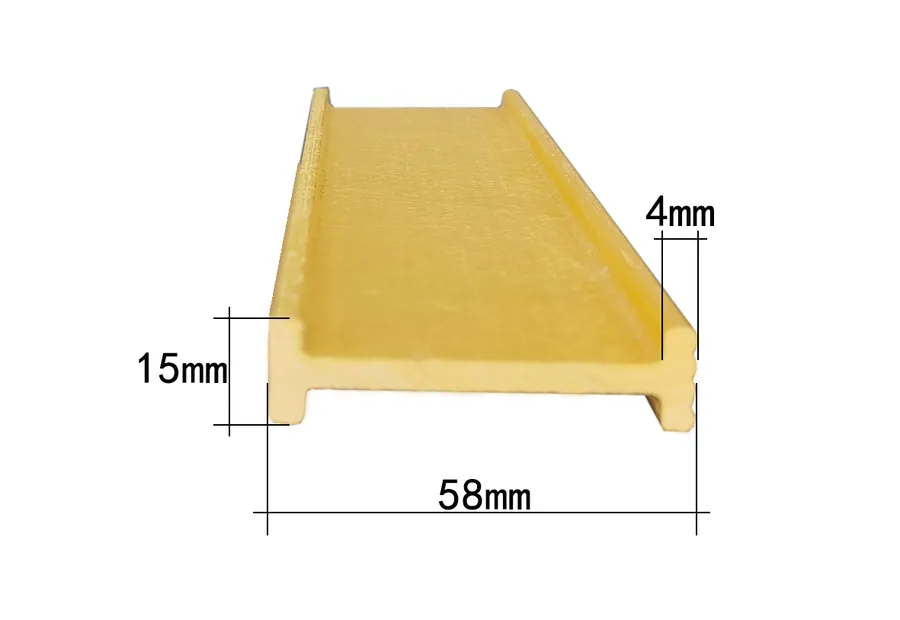
Secondary framing, equipment supports, deck bearers, headers and replacement members.
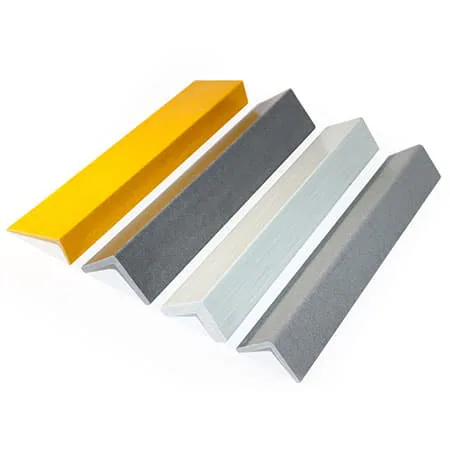
Bracing, edge support, clips, gussets and repeat assembly interfaces.
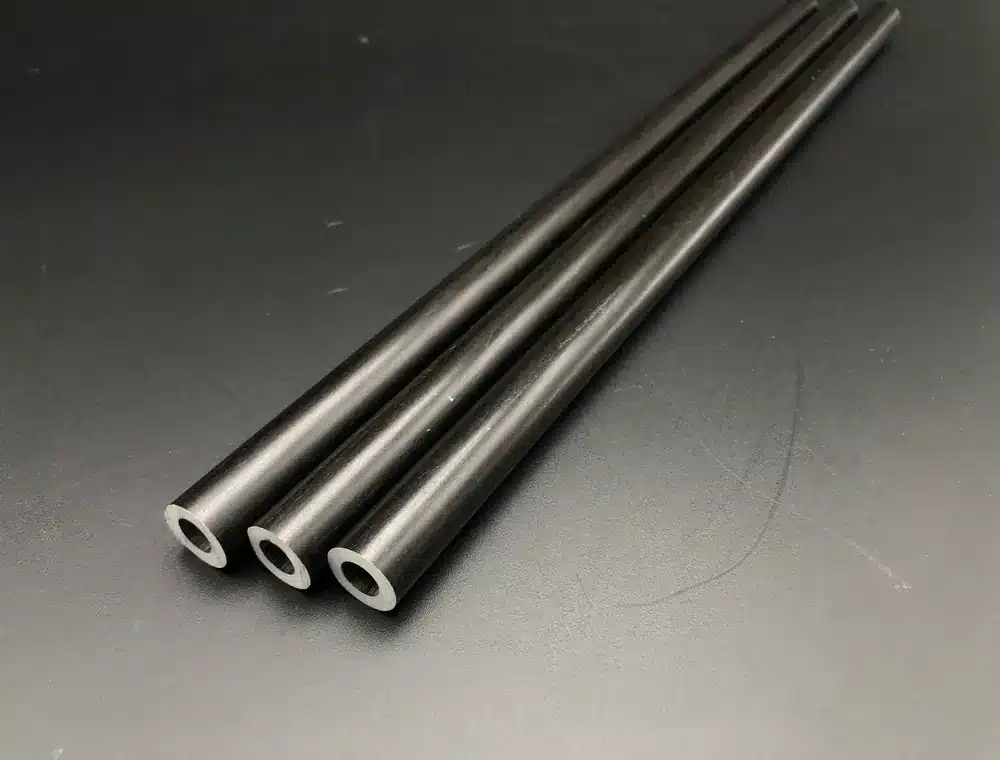
Guardrail members, modular frames, replacement sections and repeat tower/HVAC assemblies.
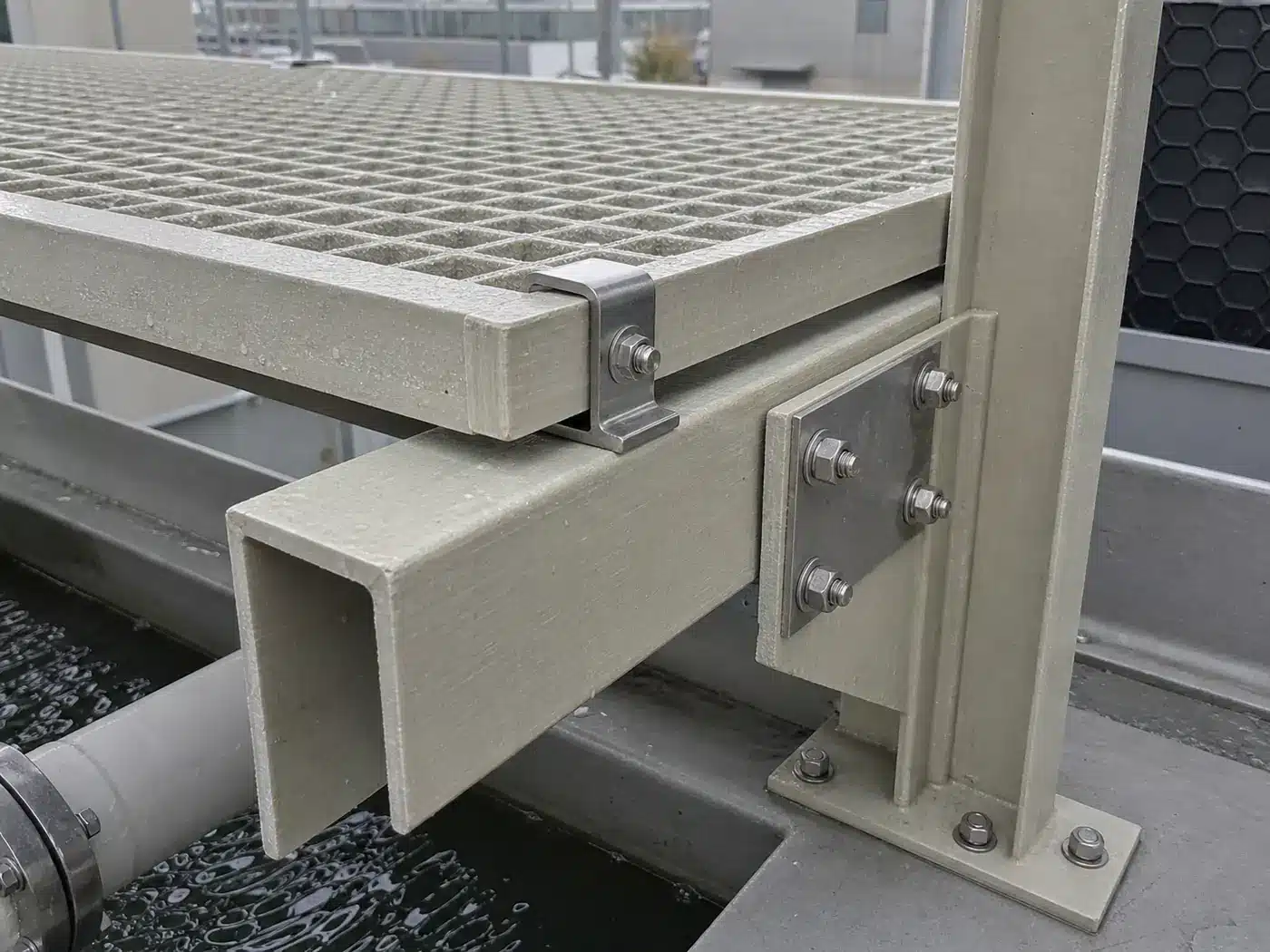
Replacement members may match an existing envelope, but bolt groups, bearing, edge distances, support stiffness and the surrounding structure still need project engineering.
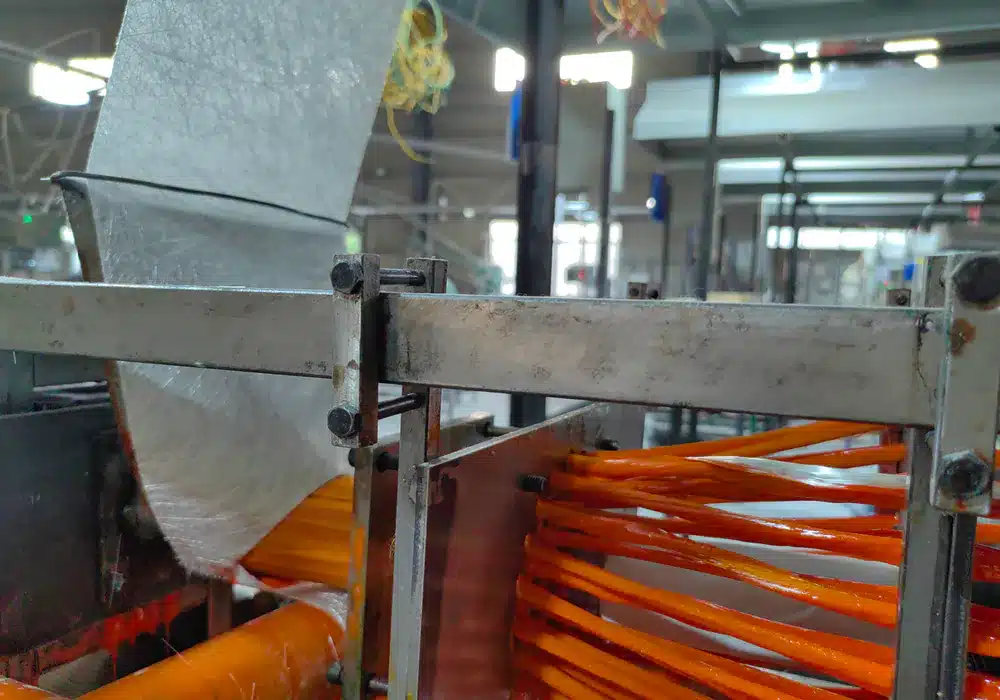
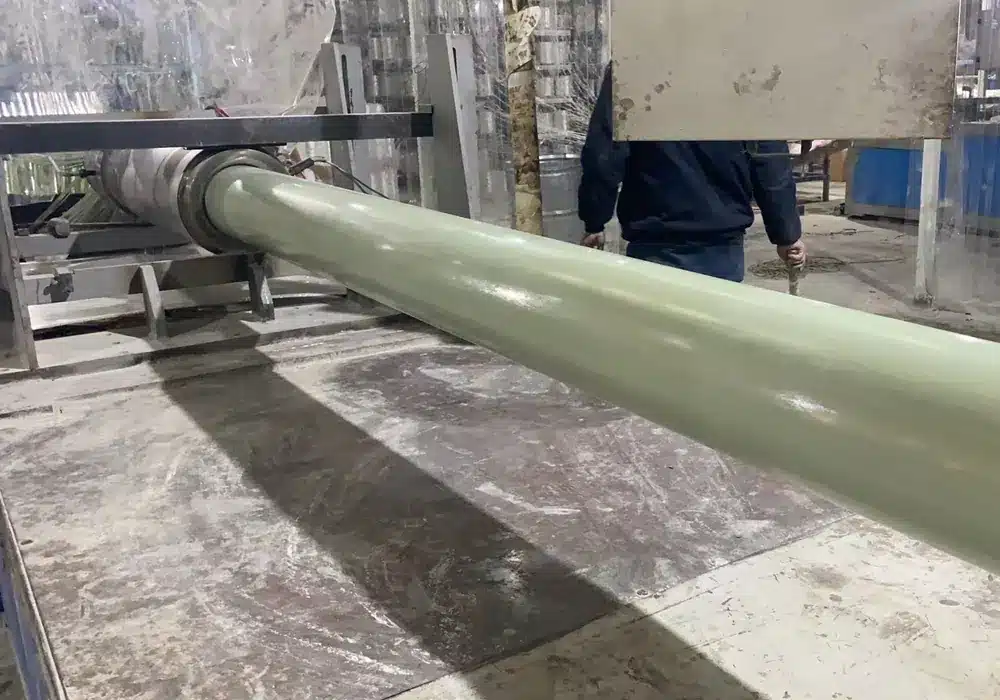
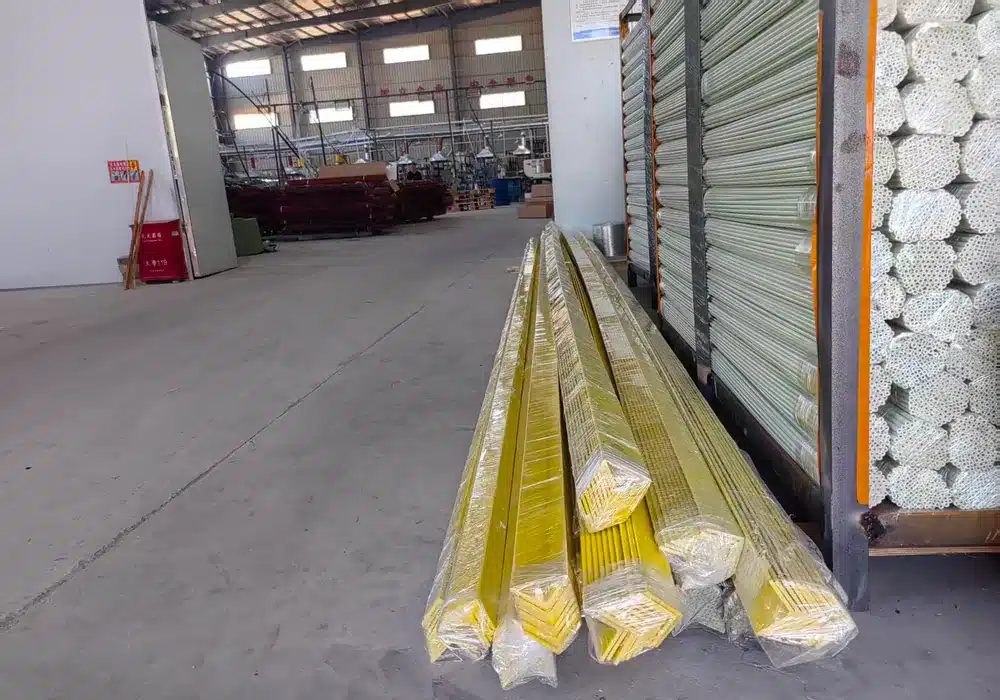
The large application images on this page are representative visualizations. The production, processing and packing images below come from Haikuo’s factory photo library.
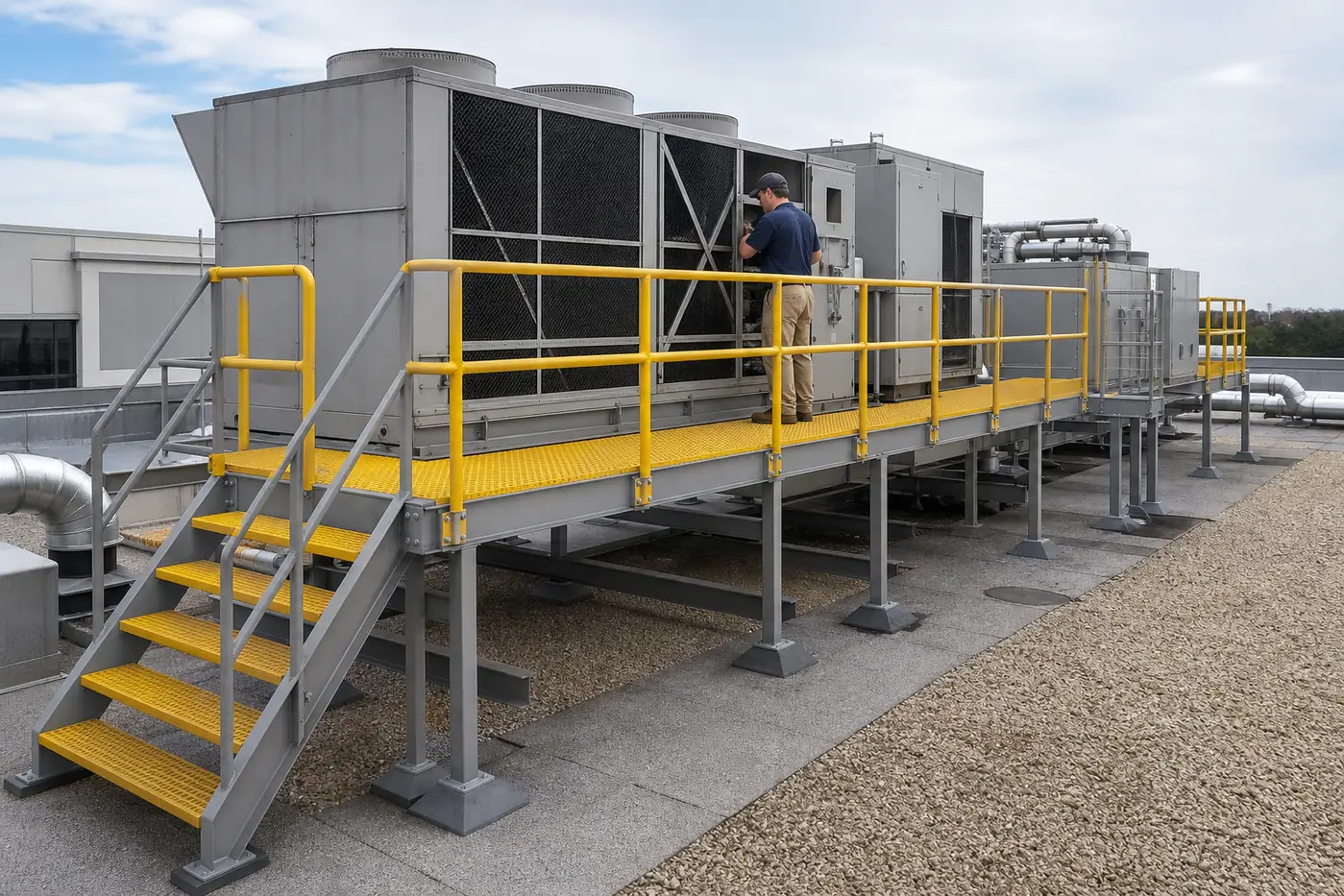
The same product family can enter the project differently. Define the route so tooling, replacement dimensions, fabrication and delivery modules are reviewed in the right order.