
Start with the electrical function, then check environment, mechanical load, interfaces and the required validation method. A generic material label is not enough for a safety-related decision.
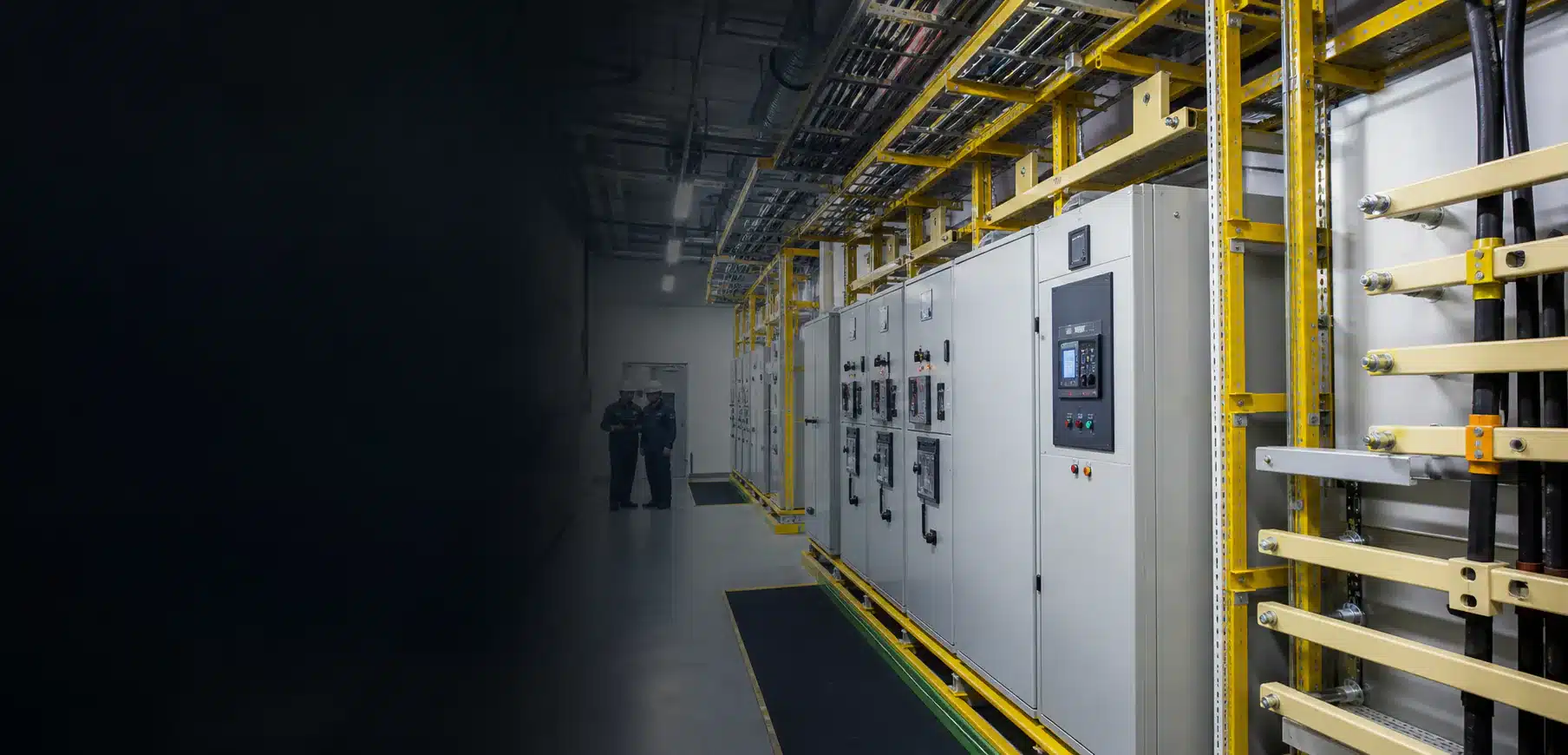
The real decision sits across material, geometry, environment, mechanical duty and verification. These five gaps are where an apparently simple profile inquiry can become a design or purchasing risk.
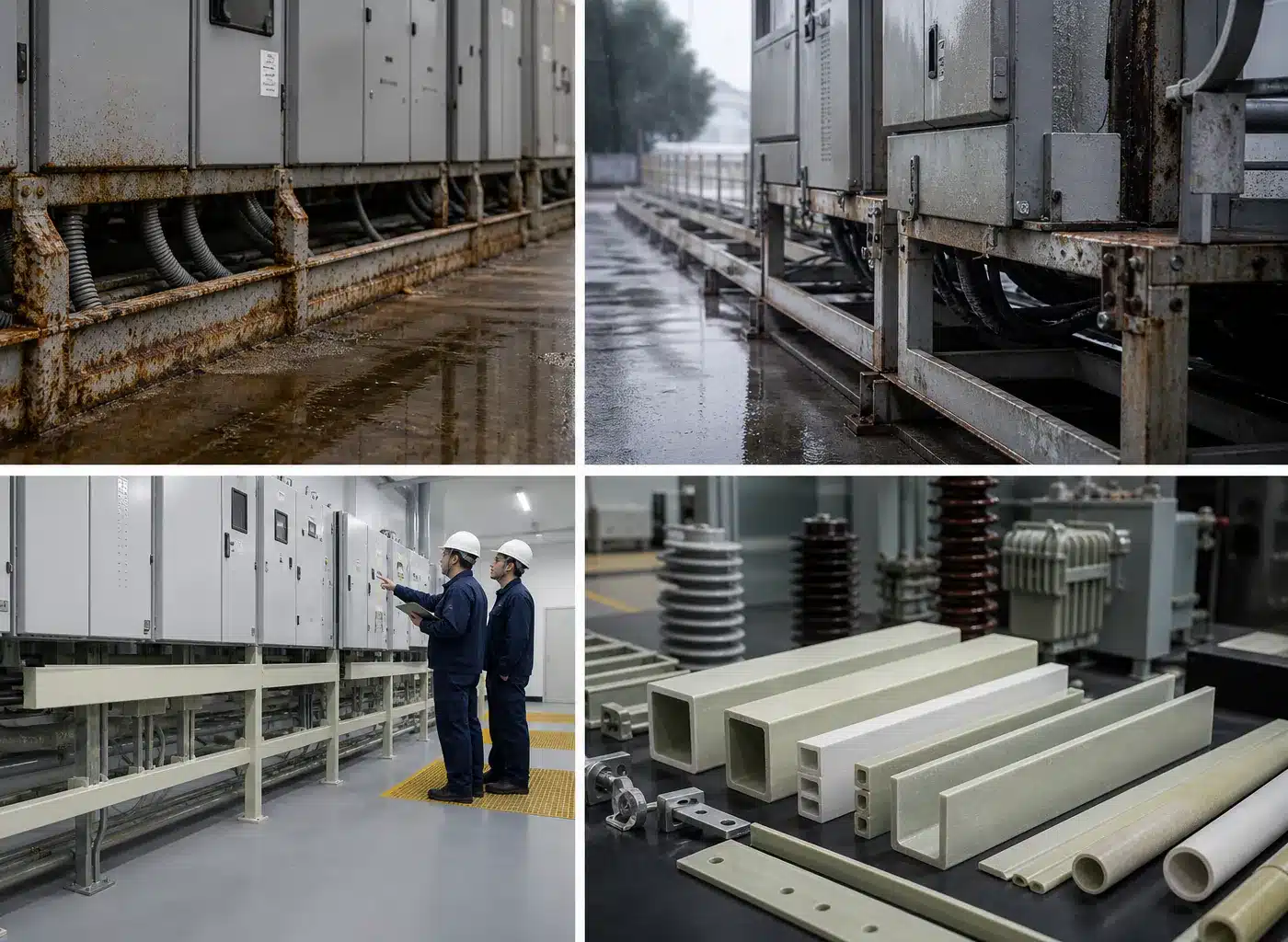
Metal fasteners, brackets, inserts, contamination or wet surfaces can change the electrical path even when the main profile is non-metallic.
Condensation, dust, salt, process residue and cleaning can affect surface behaviour and maintenance needs.
Distances and geometry belong to the complete electrical design. The profile supplier cannot approve them from a section image alone.
A support may also carry bending, compression, vibration, impact or fastener loads that control its geometry and reinforcement.
Electrical, flame, thermal and mechanical properties depend on the actual composite, specimen, conditioning and test method.
These are representative application routes, not claims that one stock profile fits every voltage class or installation. Start from the component’s function and the approval evidence your project expects.
Standard profiles can shorten the supply path. Custom pultrusion can integrate a recurring interface or geometry. In both routes, the specified composite and approval method must follow the actual application.
Use a custom route when the profile must locate, separate, support, shield or connect repeat equipment features. Tooling feasibility, reinforcement access, tolerance, surface, post-processing and validation should be agreed before approval.
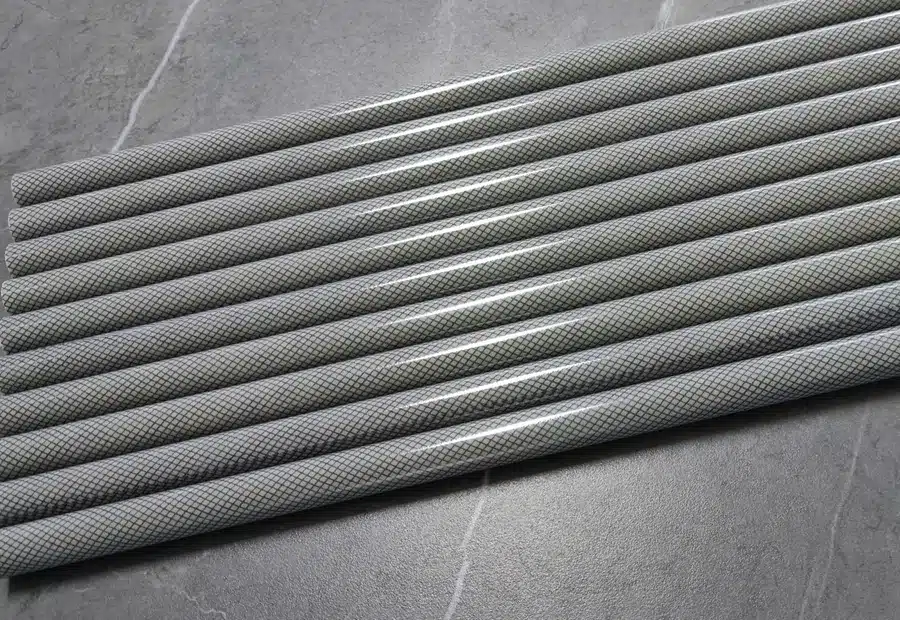
Spacers, handles, supports and custom-insulation components where a solid round section is suitable.
Confirm: Diameter, length, load, surface, end detail and required electrical test.
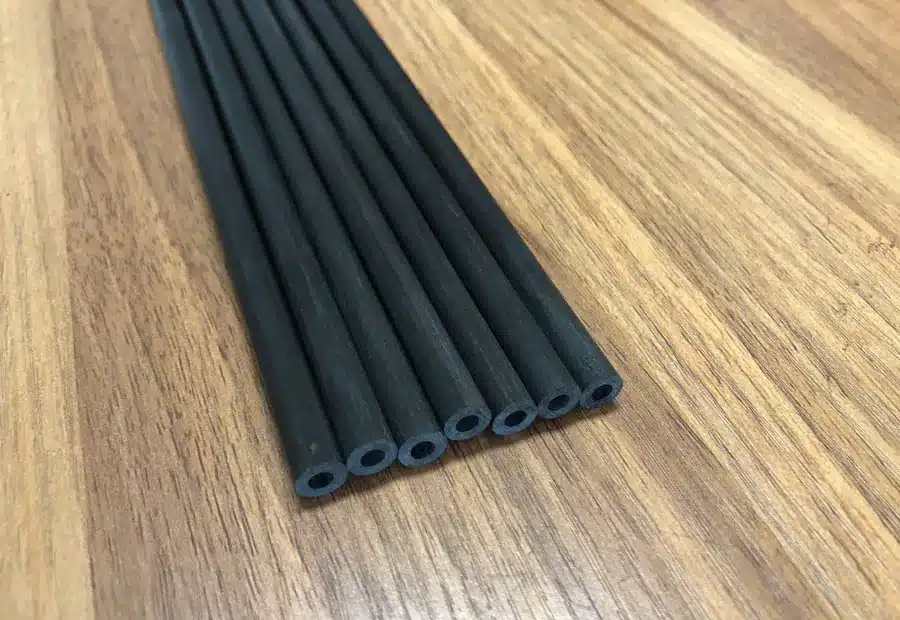
Lightweight rails, housings, sleeves and equipment supports where a hollow section improves assembly or weight.
Confirm: Cross-section, wall, inserts/end fittings, load, hole zones and environment.
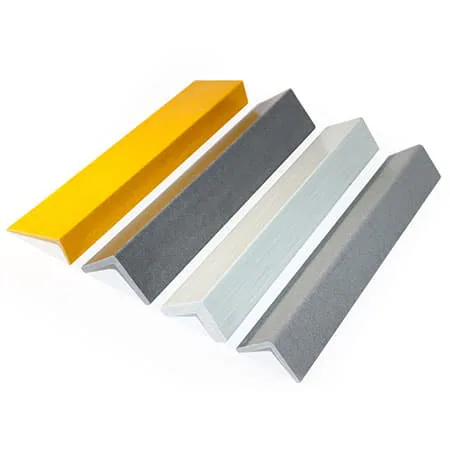
Edges, brackets, secondary frames and protective interfaces when an existing angle geometry meets the duty.
Confirm: Leg dimensions, thickness, connection, load path, cut length and processing.If a requirement is not yet known, mark it as open rather than replacing it with a general statement such as “high insulation.” This lets the quotation separate confirmed scope, assumptions and items awaiting validation.
Standard/custom profile route, constant-section geometry, stated material requirements, tooling, cut length, basic processing, dimensional and visual inspection inputs, identification and export packing.
Voltage class, creepage/clearance, protection concept, loads and safety factors, applicable standards, required property values, test method, assembly qualification and authorization for use.
These are Haikuo factory and customer-review images. They show where profile forming, processing, inspection discussion and export packing connect to the approved drawing and purchase specification.
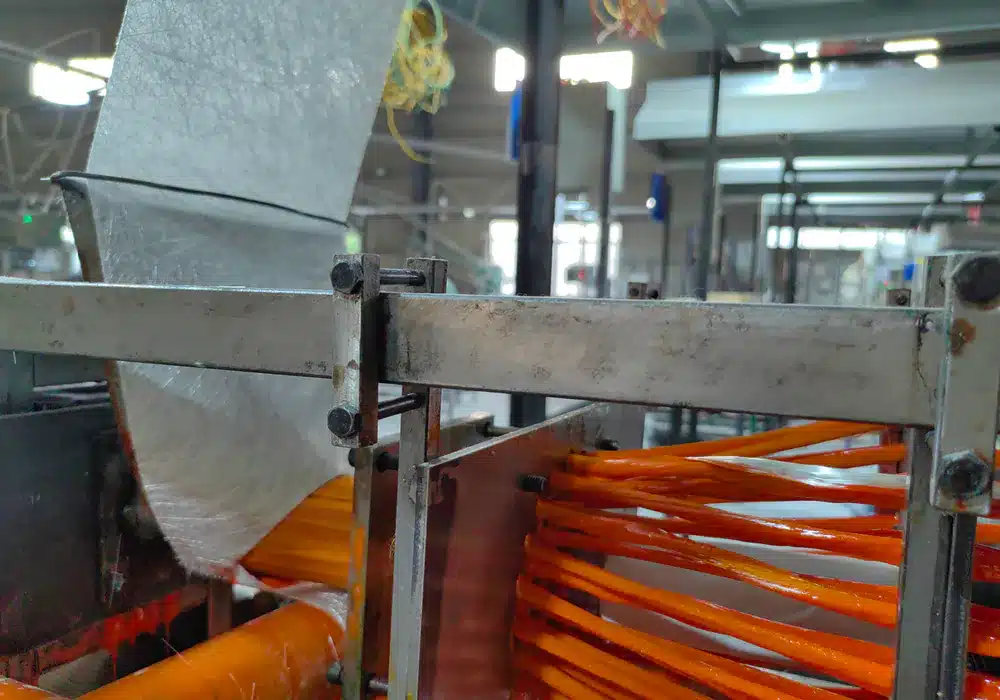
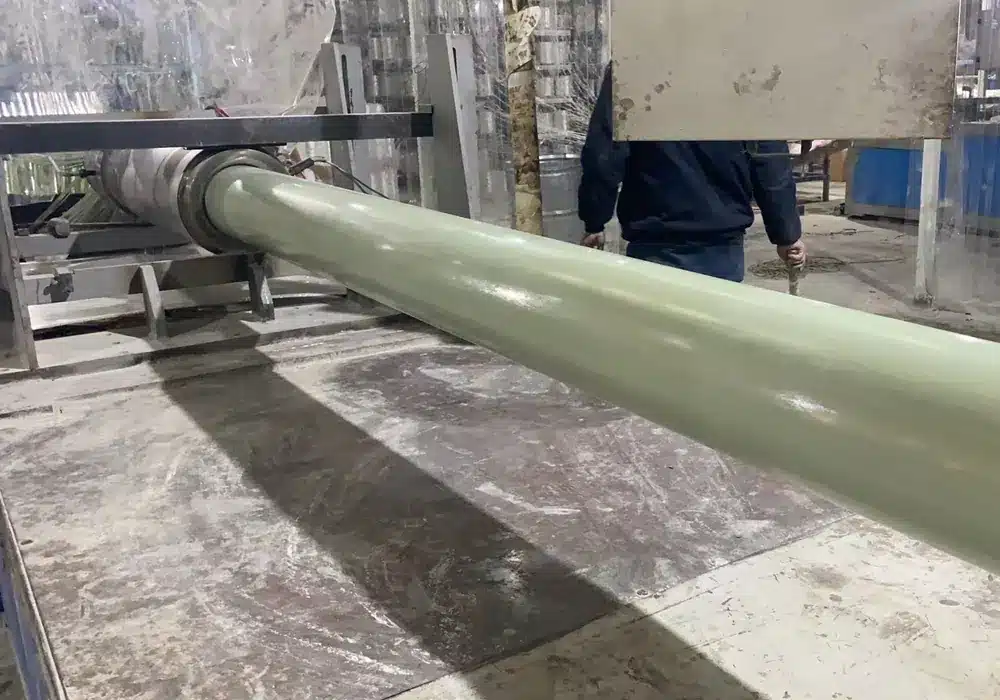
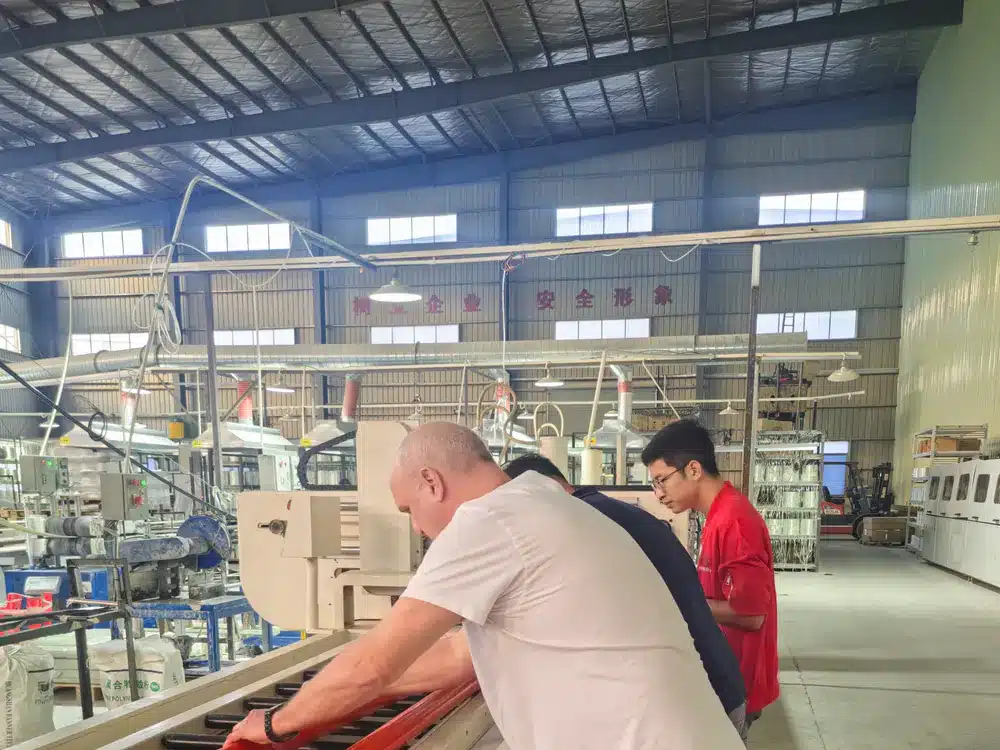
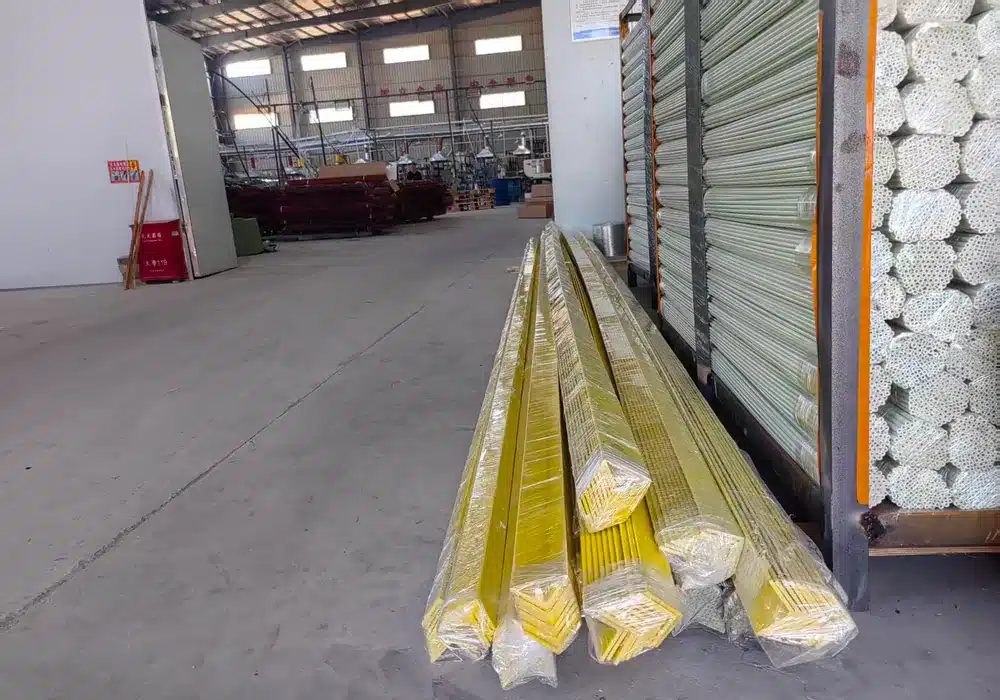
A supplier sample is not automatically an approved electrical component. The path below keeps dimensional approval, system validation and production release in the correct order.
No. FRP is non-metallic, but suitability depends on the specific composite, geometry, moisture and contamination, interfaces, voltage/design conditions and the required test method. The final application must be validated.
Haikuo can review the stated environment, manufacturing route and available standard or custom options. The buyer or project engineer should provide the required properties, standards and acceptance values and approve the final material.
Possibly, but substitution requires mechanical and electrical design checks. Loads, stiffness, connection forces, clearances, temperature, fire context and service exposure must be considered together.
Basic processing can be reviewed against a controlled drawing. Hole and cut-out locations should be assessed for mechanical, assembly and electrical-interface effects before production.
Send the section/assembly drawing, electrical function, environment, required standard or property, load and interface information, processing, sample/quantity plan and delivery destination.
Haikuo will identify the relevant standard or custom profile route, confirm missing manufacturing inputs and prepare the quotation scope. Standard quotes target 24 hours; custom drawing feasibility review targets 48 hours.